Das Ihlara-Tal in Bildern
Nur wenige Orte in Kappadokien bieten einen so scharfen visuellen Kontrast wie das Ihlara-Tal – eine tiefe grüne Schlucht, die durch das ansonsten trockene, helle vulkanische Plateau der Region schneidet. Von den dramatischen Aussichtspunkten am Rand, die hinab in die Schlucht blicken, über den beschatteten Flussweg bis zu den gehauenen Fassaden byzantinischer Felsenkirchen belohnt das Tal Fotografen, die bereit sind zu wandern statt nur vorbeizufahren. Diese Galerieseite fasst die wichtigsten visuellen Highlights zusammen, die es zu suchen lohnt, samt praktischer Hinweise dazu, wann und wie man sie respektvoll fotografiert.

Die Schlucht von oben
Die Aussichtspunkte am Rand nahe dem Haupteingang von Ihlara bieten das dramatischste Einzelfoto, das die meisten Besucher mit nach Hause nehmen: einen weiten Blick hinab in die Schlucht, der das Ausmaß der rund 100-150 Meter Tiefe sowie die dichte Baumkrone entlang des Flusses Melendiz am Talgrund zeigt. Morgenlicht funktioniert hier besonders gut und mildert die Schatten über den Schluchtwänden, bevor die Sonne höher steigt.
In der Schlucht: Der Flussweg
Einmal in der Schlucht, bietet der Weg selbst eine völlig andere fotografische Stimmung – gefiltertes grünes Licht durch Pappel- und Weidenkronen, der Fluss, der neben festgetretenen Erdwegen fließt, und kleine Fußgängerbrücken, die das Wasser in Abständen queren. Dieser Abschnitt, besonders entlang der beliebten Strecke Ihlara-nach-Belisırma, ist der Ort, an dem der Kontrast des Tals zum Rest Kappadokiens visuell am deutlichsten wird, und er fotografiert sich gut in nahezu jeder Jahreszeit, von lebendigem Frühlingsgrün bis zu warmen Herbsttönen.
Felsenkirchen-Fassaden und Fresken
Die gehauenen Eingänge von Kirchen wie Ağaçaltı Kilise, Yılanlı Kilise, Kokar Kilise und Sümbüllü Kilise ergeben eindrucksvolle Motive schon von außen, bevor man überhaupt eintritt. Innenaufnahmen von Fresken sind in den meisten Kirchen ohne Blitz möglich, doch niedrige Lichtverhältnisse bedeuten, dass eine ruhige Hand, eine größere Blende oder eine höhere ISO-Einstellung meist besser funktioniert, als zu versuchen, dunkle Innenräume künstlich aufzuhellen. Siehe unseren Ratgeber Felsenkirchen für Details zu Zustand und Anlage jeder Stätte.
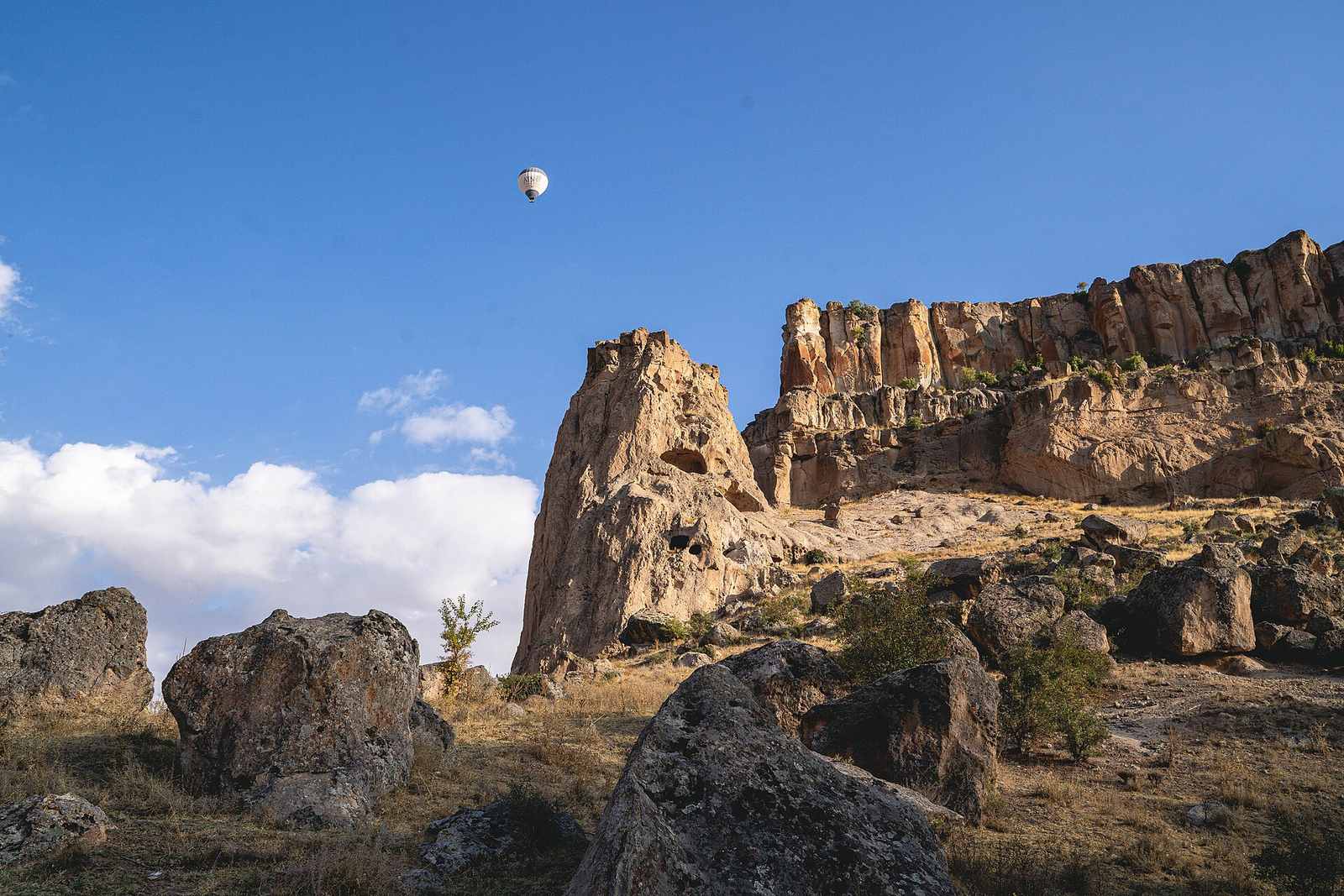
Belisırmas Flussrestaurants
Die direkt über dem Fluss Melendiz gebauten Holzplattformen in Belisırma sind ein beliebtes Motiv für Besucher, die die entspanntere, gesellige Seite des Tals dokumentieren – ein Kontrast zur historischen Schwere der Felsenkirchen. Das Mittagslicht, das durch die Bäume auf das Wasser fällt, erzeugt hier einige der farbenfrohsten, stimmungsvollsten Aufnahmen des gesamten Besuchs, besonders wenn Sie einen Essstopp für den frühen Nachmittag statt das geschäftigste Mittagsfenster der Touren timen.
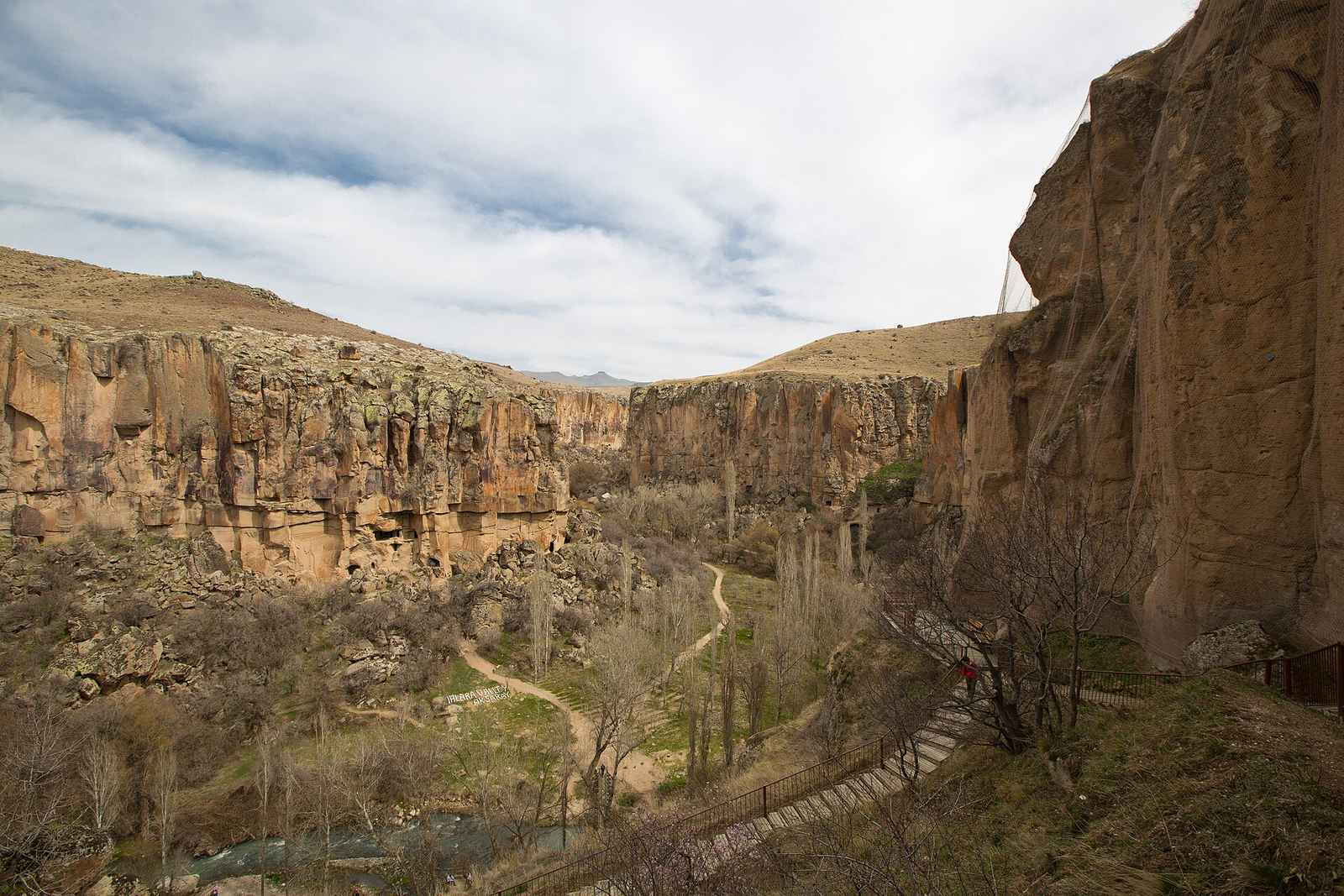
Kloster Selime
Am nördlichen Ende des Tals ist die mehrstöckige, gehauene Fassade des Klosters Selime eine der visuell komplexesten Einzelstrukturen im weiteren Kappadokien – gehauene Kammern, Treppen und Öffnungen, aufeinandergestapelt über die Felswand. Es ist eine starke Abschlussaufnahme für alle, die den vollständigen Schluchtweg gewandert sind, und auch einen Stopp für Fotografen wert, die speziell für diese eine Stätte mit dem Auto anreisen.
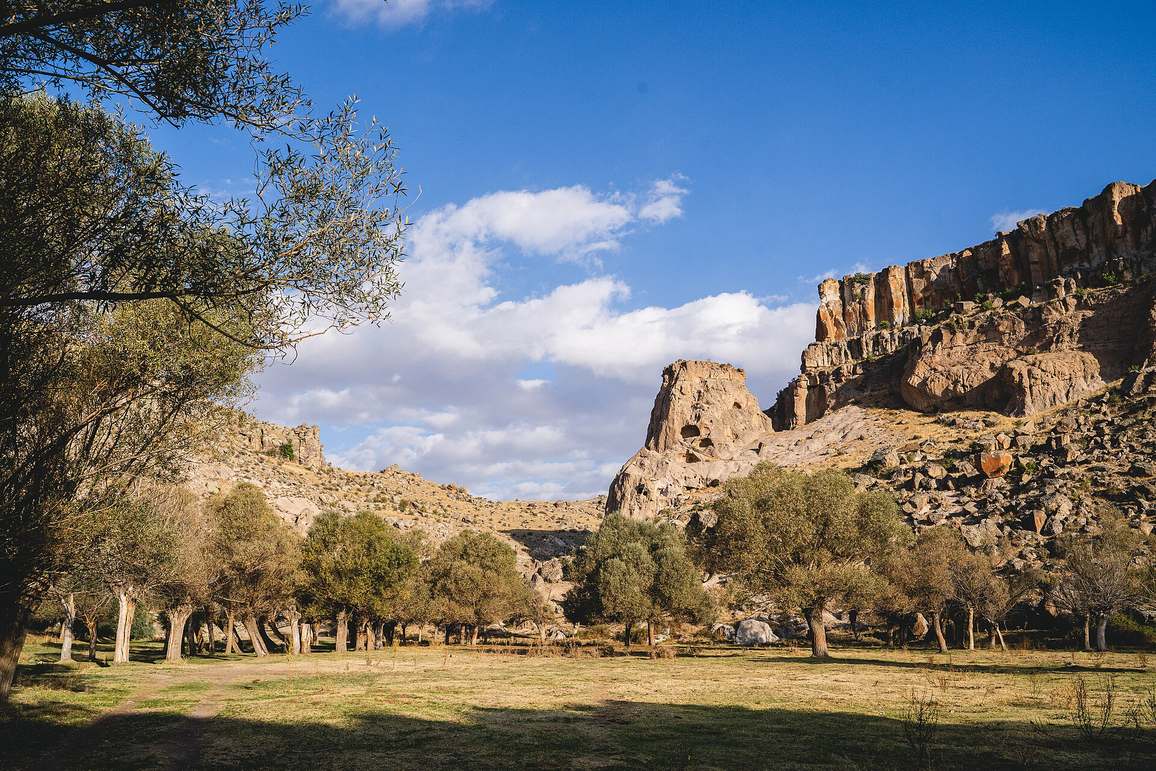
Saisonale Unterschiede
Das Erscheinungsbild des Tals verändert sich über das Jahr erheblich: leuchtendes Grün und Wildblumen im Frühling, tiefer Schatten und kühlere Töne im Sommer, warmes Gold und Rostfarben im Herbst und ein kargerer, ruhigerer Anblick im Winter, wenn die Bäume kahl sind. Fotografen, die einen Wiederholungsbesuch planen oder eine Reise um einen bestimmten Look herum timen möchten, sollten unseren Ratgeber beste Reisezeit für eine vollständigere saisonale Übersicht konsultieren.
Fotografie-Etikette
Ein paar Punkte zählen für verantwortungsvolle Fotografie im Tal: kein Blitz in bemalten Kircheninnenräumen, keine Freskofragmente oder gehauenen Details bewegen oder berühren, um ein Bild „aufzuräumen", auf markierten Wegen und Plattformen bleiben statt in gehauene Nischen für einen besseren Blickwinkel zu klettern, und aktuelle Drohnenvorschriften prüfen, bevor man an dieser geschützten archäologischen und natürlichen Stätte eine fliegen lässt. Diese Praktiken schützen fragile, unwiederbringliche Merkmale für die Fotos des nächsten Besuchers ebenso wie für Ihre eigenen.
Ausrüstungsvorschläge
Ein Zoomobjektiv für den allgemeinen Gebrauch deckt das meiste ab, was ein Tag im Tal erfordert – weit genug für die Schluchtrandblicke und Kirchenfassaden, mit genug Reichweite für Details an den oberen Ebenen des Klosters Selime vom Boden aus. Ein lichtstarkes Festbrennweitenobjektiv oder eine Kamera, die bei höherer ISO gut funktioniert, hilft erheblich bei den dunklen Innenräumen der Felsenkirchen, wo Blitz nicht angebracht ist. Ein leichtes Stativ kann für Innenaufnahmen bei schlechtem Licht nützlich sein, sofern an einer bestimmten Stätte erlaubt, doch eine ruhige Hand und eine höhere ISO-Einstellung sind meist der praktischere Ansatz für einen Wandertag, an dem Sie mehrere Kilometer Weg zurücklegen.
Smartphone-Fotografie-Tipps
Die meisten Besucher fotografieren heute hauptsächlich mit dem Smartphone, und das Ihlara-Tal ist dank seines starken natürlichen Lichts, das durch die Baumkrone entlang des größten Teils des Weges filtert, nachsichtiges Terrain für Handyfotografie. Für Kircheninnenräume erzielen das Deaktivieren des Blitzes und stattdessen das Abstützen an einer Wand oder einem Sims für eine längere, ruhigere Belichtung meist bessere Ergebnisse als ein blitzbeleuchtetes Foto, das dazu neigt, Freskodetails auszuwaschen und den Tiefeneindruck in diesen kleinen gehauenen Räumen abzuflachen.
Ihre eigenen Aufnahmen planen
Für den besten fotografischen Gesamttag lässt ein früher Start vom Eingang des Dorfs Ihlara Sie den Aussichtspunkt am Rand und den Schluchtweg in weicherem Morgenlicht einfangen, bevor später Reisegruppen in größerer Zahl eintreffen. Siehe unseren Ratgeber Sehenswürdigkeiten für eine vollständigere Liste der Stopps, die sich für einen fotografiefokussierten Reiseplan lohnen, und unseren Ratgeber Wanderweg für das Timing zwischen dem kürzeren Belisırma-Abschnitt und der vollständigen Wanderung bis Selime.
Für den vollständigen Kontext zum Tal selbst siehe unseren Überblick, und für die Logistik unseren Anreise-Ratgeber.