When to Visit Ihlara Valley
Ihlara Valley's biggest seasonal advantage over the rest of Cappadocia is its microclimate. Because the canyon is cut roughly 100-150 meters deep into the plateau and shaded by dense poplar and willow tree cover along the Melendiz river, it stays noticeably cooler than the open, sun-exposed terrain above — even during the hottest stretches of the Cappadocian summer. This makes the valley more forgiving across a wider seasonal window than many other regional hiking destinations, though some months still stand out as clearly better than others.
The general recommendation is April through October, with the shoulder seasons of spring and autumn offering the most comfortable overall conditions for hiking and photography.

Spring (April-May)
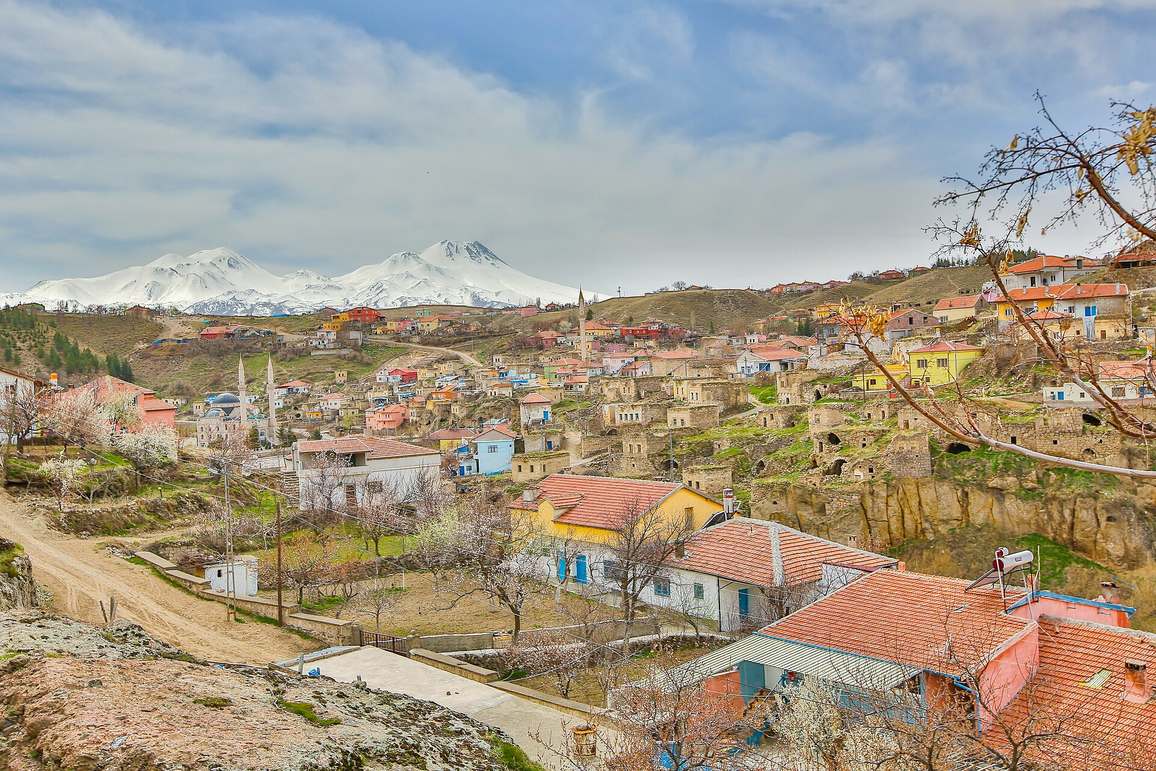
Spring is widely considered the single best season to visit. The valley is at its greenest, with wildflowers along the trail edges, full tree canopy overhead, and the Melendiz river typically running fuller after winter and early spring precipitation. Daytime temperatures on the surrounding plateau are mild, and the canyon floor stays comfortably cool for walking. This is also a strong season for photography, since the contrast between lush greenery and pale tuff cliffs is at its most vivid.
Summer (June-August)
Summer brings the hottest temperatures to the wider Cappadocia region, with the open plateau regularly reaching uncomfortable levels for extended outdoor activity. Ihlara Valley, however, remains one of the more comfortable places to hike during this period precisely because of its depth and shade — many visitors specifically choose Ihlara over more exposed Cappadocia walks during the summer months for this reason. That said, midday heat can still be intense even in the canyon on the hottest days, so an earlier start is worth considering, and staying hydrated matters more than in cooler seasons. Summer is also the peak tourist season regionally, so expect more visitors along the popular Ihlara-to-Belisırma stretch and busier restaurant tables in Belisırma itself.
Autumn (September-October)
Autumn mirrors spring in offering mild, comfortable conditions, with the added bonus of typically fewer crowds than the summer peak. Foliage along the trail begins to take on warm autumn tones by mid-to-late October, and the river continues to provide a cooling effect even as temperatures on the plateau drop from summer highs. Many repeat visitors to Cappadocia consider September in particular an ideal month, combining good weather with a calmer overall pace across the region.
Winter (November-March)
Ihlara Valley remains open through winter, but conditions change meaningfully. Temperatures on the plateau and within the canyon drop, occasional snow is possible, and trail sections — particularly the stepped descent and any muddy riverside stretches — can become slippery or icy. Fewer tour operators run regular Green Tour departures during the coldest months, and some travelers find the bare winter tree canopy less visually striking than the lush spring or golden autumn look. Winter can still appeal to visitors specifically seeking quiet, uncrowded scenery and are prepared for cold-weather hiking conditions, but it isn't the recommended season for most first-time visitors.
Time of Day
Within any season, timing your visit earlier in the day has real advantages: cooler temperatures for the initial descent, softer light for photographing the rock churches and canyon walls, and generally fewer people sharing the trail before tour groups arrive later in the morning. Visitors arranging a full day toward Selime Monastery especially benefit from an early start, since the extended route takes considerably longer to complete.
Crowds and Tour Timing
Because Ihlara Valley is a standard stop on Cappadocia's popular Green Tour itineraries, tour bus arrivals tend to cluster at certain points in the morning and early afternoon. Independent travelers with flexible timing can often avoid the busiest windows by starting earlier or later than typical tour departure times, particularly during the peak summer season when tour volume is highest.
What to Wear by Season
Layering is the simplest way to handle Ihlara's temperature swing between the open plateau and the shaded canyon floor. In spring and autumn, a light jacket or fleece for the morning descent, paired with breathable layers for the walk itself, generally covers the range of conditions you'll encounter in a single day. In summer, lightweight, breathable clothing and strong sun protection matter most for the exposed entrance and rim viewpoints, even though the canyon interior stays comparatively mild. In winter, warmer layers, waterproof or grippy footwear, and a willingness to adjust plans around weather are worth factoring in, given the possibility of ice or mud on the stepped descent and riverside sections of trail.
Rainfall and River Levels
The Melendiz river that defines the valley responds to seasonal rainfall, running fuller in late winter and early spring and typically lower by the height of summer. Heavier rain, when it does fall, can leave certain low-lying or riverside sections of trail muddier and slower going, so checking recent weather before a visit is sensible if you're planning the longer walk toward Selime. This seasonal rhythm is also part of why spring scenery looks so markedly greener and more dramatic than the drier late-summer canyon floor.
Combining Season With the Rest of Your Trip
If you're planning a broader Cappadocia itinerary, timing an Ihlara Valley visit alongside hot air balloon flights or other regional highlights is worth coordinating, since balloon flights depend heavily on calm early-morning weather that's most reliable in the same spring and autumn shoulder seasons recommended here. See our overview for how the valley fits into a wider Cappadocia trip, and our hiking trail guide for how seasonal conditions affect route choice between the shorter Belisırma section and the full walk to Selime.
For logistics on reaching the valley in your chosen season, see how to get there, and for a broader look at how the canyon looks across the year, browse our photo gallery.