The Byzantine Churches of Ihlara Valley
Long before Ihlara became a hiking destination, it was a refuge. Between roughly the 9th and 13th centuries, Byzantine monks and hermit communities carved churches, chapels, refectories, and living cells directly into the soft volcanic tuff of the canyon walls, taking advantage of the valley's natural shelter, its year-round water source in the Melendiz river, and its relative isolation from the open plateau above. Today, dozens of these rock-cut churches survive scattered along the gorge, and a meaningful number still retain frescoes painted directly onto the carved rock — making Ihlara Valley one of the most significant concentrations of Byzantine religious art in Cappadocia.
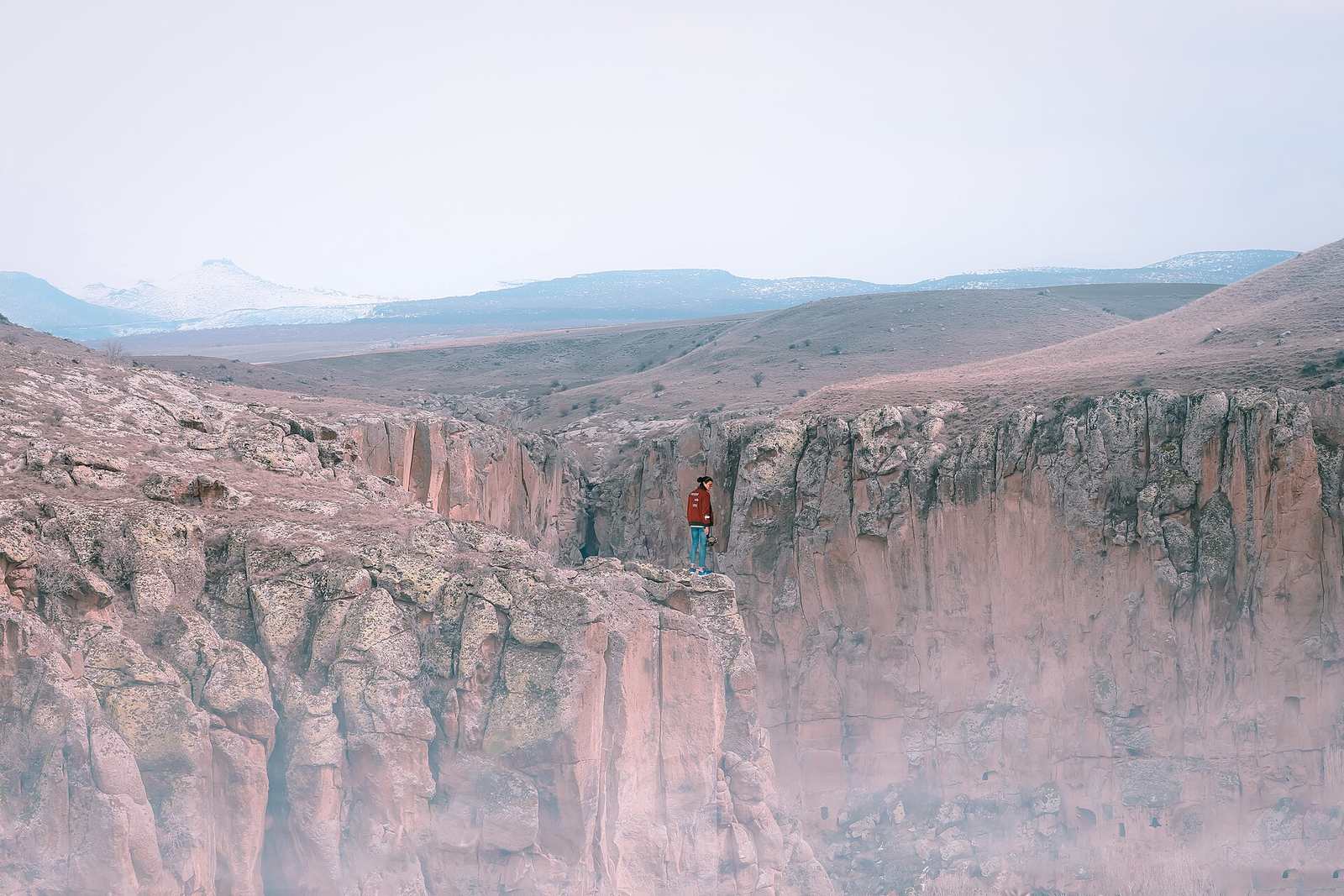
Ağaçaltı Kilise (Daniel Pantonassa)
Located near the Ihlara village entrance, Ağaçaltı Kilise — also known as the Church of Daniel Pantonassa — is often one of the first churches visitors encounter after descending into the valley. Its cross-in-square plan and fresco program depicting scenes from the life of Christ make it a strong introduction to the valley's rock-cut art. The church takes its alternate name from a fresco depicting the biblical prophet Daniel, a detail long-time visitors and guides use to distinguish it from the valley's many similarly named sites.
Yılanlı Kilise (the Snake Church)
Among the most talked-about churches in the valley, Yılanlı Kilise owes its popular name — "Snake Church" — to a striking fresco showing serpents attacking figures interpreted as representing various sins, a common moralizing device in Byzantine religious art of the period. Alongside this dramatic scene, the church contains depictions of saints and other biblical imagery, giving visitors a sense of how these carved sanctuaries functioned as both places of worship and visual teaching tools for a largely non-literate monastic and lay population.
Kokar Kilise
Kokar Kilise sits further along the canyon and is known for a relatively well-preserved fresco cycle depicting scenes such as the Nativity and other episodes from the life of Christ. Its name (roughly translating to "fragrant" or "scented" church) is popularly tied to local plants once found nearby, though as with many of the valley's church names, the exact origin has been passed down more through local tradition than documented record. The layout and surviving pigment here give a good sense of how vivid these churches would once have looked in full color.
Sümbüllü Kilise
Sümbüllü Kilise ("Hyacinth Church") is another notable stop, distinguished by its carved architectural details and surviving decorative elements. Like several of Ihlara's churches, it shows the layered history of the site: centuries of use, periods of abandonment, and later damage from both natural weathering and human activity, including soot staining in some interiors from periods when local shepherds or travelers used the caves for shelter.
Why the Frescoes Have Survived (and Why Many Haven't)
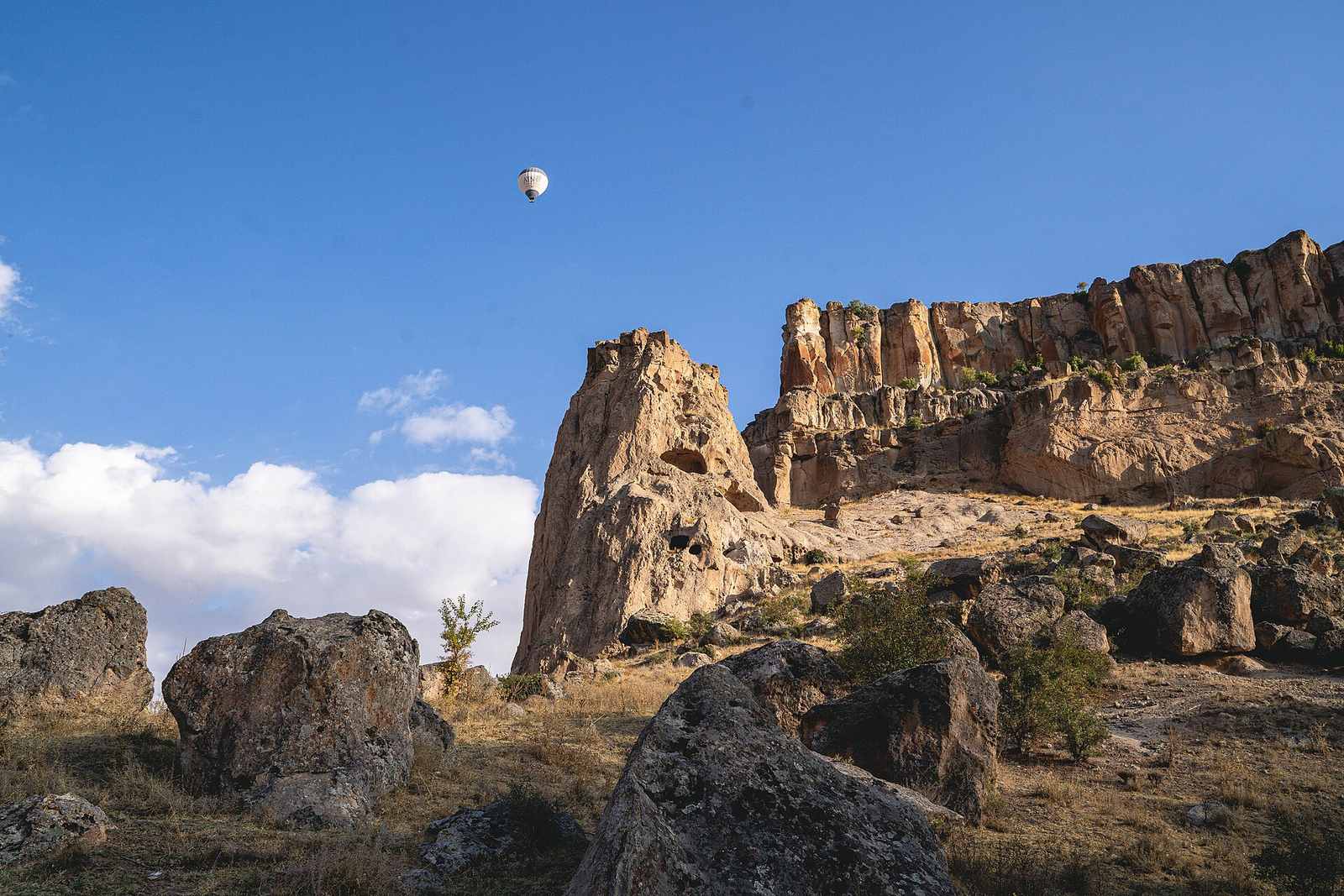
The frescoes that remain in Ihlara's churches endured for two main reasons: the dry, stable microclimate of caves carved into volcanic tuff, and centuries of relative remoteness that limited both tourism traffic and looting compared to more accessible sites. That said, survival has been uneven. Many frescoes show damage from iconoclastic periods in Byzantine history, when depictions of human figures were deliberately defaced on religious grounds; others have faded from centuries of exposure once entrances were no longer sealed, or suffered smoke damage from later secular use of the caves. What remains today is a partial but still remarkably rich record — faces, robes, halos, and narrative scenes that give a genuine sense of Byzantine devotional art in situ, carved directly into the rock rather than displayed in a museum.
Visiting the Churches Respectfully
Because these frescoes are irreplaceable and cannot be restored to their original state once damaged, a few visitor habits matter a great deal: avoid touching painted surfaces (skin oils accelerate deterioration), skip flash photography inside painted interiors, and stay on the designated paths and platforms rather than climbing into carved niches or cells. Local guides and site signage generally reinforce these points, and following them helps ensure the churches remain viewable for future visitors rather than degrading further under tourism pressure.
Where the Churches Sit Along the Trail
Most of the well-known churches, including Ağaçaltı, Yılanlı, Kokar, and Sümbüllü, are clustered within the first few kilometers of trail from the Ihlara village entrance toward Belisırma, making them accessible even to visitors who don't intend to walk the full canyon. This is one reason the Ihlara-to-Belisırma stretch is by far the most popular hiking segment — it delivers the highest concentration of accessible churches for the distance covered. For full route details, timing, and what else lies along the way, see our hiking trail guide.
Combining Churches With the Rest of the Valley
The rock churches are Ihlara's headline attraction, but they're one part of a broader visit that typically also includes the riverside walk itself, a stop in Belisırma for tea or trout, and often an extension to Selime Monastery at the canyon's northern end. See our what to see guide for how to fit the churches into a well-paced day, and our overview for the full picture of what makes this canyon one of southern Cappadocia's most rewarding stops.
For logistics on getting to the valley itself, see how to get there, and for seasonal planning, our best time to visit guide.