Kappadokien in Bildern
Kappadokien ist eine der meistfotografierten Landschaften der Welt, und das aus gutem Grund: Die Kombination aus Heißluftballons bei Sonnenaufgang, windgeformten Feenkaminen, farbenfrohen Talwänden und jahrhundertealter Höhlenarchitektur bietet Fotografen eine ungewöhnliche Dichte an eindrucksvollen Motiven auf kleinem Raum. Diese Galerieseite stellt die wichtigsten fotografischen Motive der Region sowie die besten Zeiten und Blickwinkel vor, um sie festzuhalten.
Ballons bei Sonnenaufgang
Das ikonischste Bild Kappadokiens ist der Ballonstart bei Sonnenaufgang, wenn Dutzende bis Hunderte Ballons gemeinsam über die Täler aufsteigen. Beliebte Aussichtspunkte, um die Szene vom Boden aus zu fotografieren, sind das Liebestal, die Terrassen rund um die Burg von Uçhisar und Sunset Point nahe Göreme, alle mit weiten, erhöhten Blicken über mehrere Täler zugleich. Für eine andere Perspektive bringt Sie die Buchung einer eigenen Heißluftballonfahrt in die Luft neben die anderen Ballons, statt sie von unten zu fotografieren.
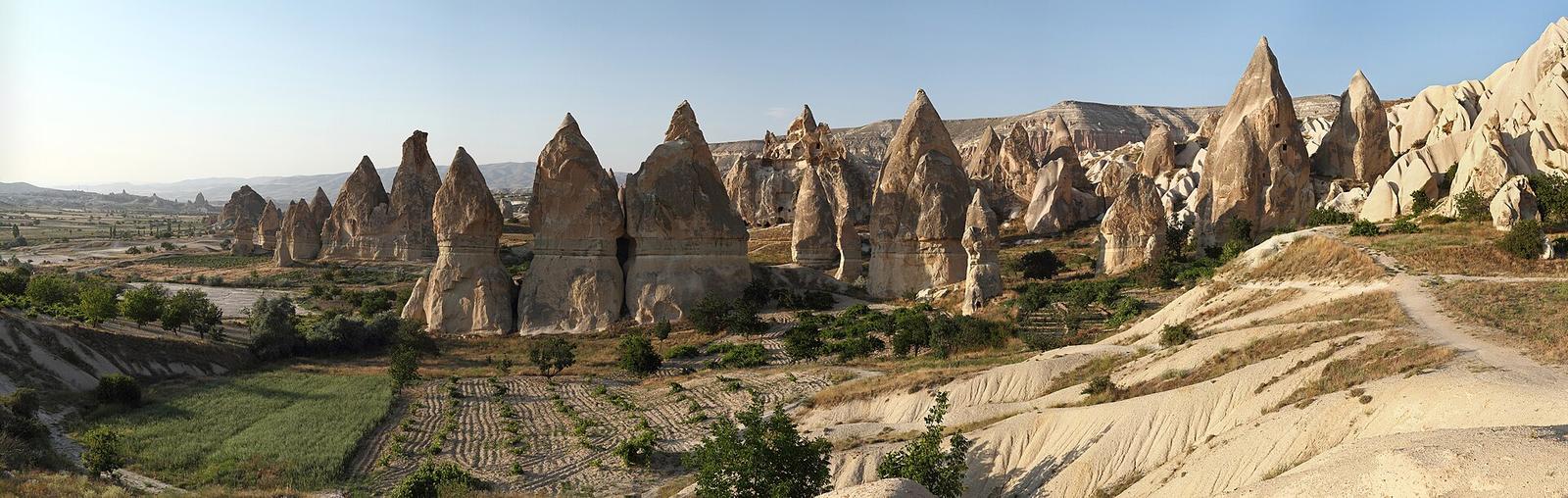
Feenkamine und Felsformationen
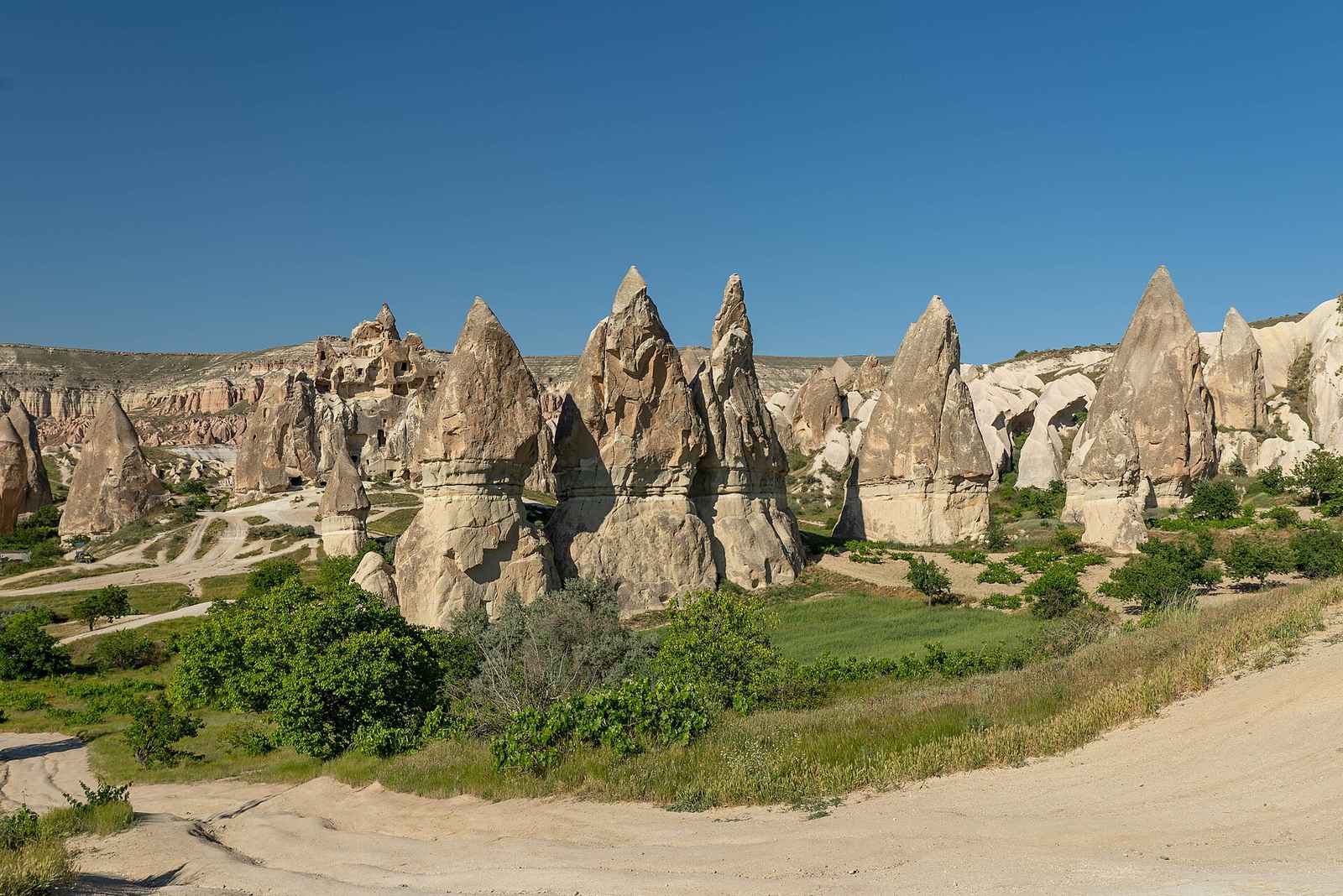
Die besten Fotospots für Feenkamine sind Paşabağ (Mönchstal), bekannt für seine markanten mehrköpfigen Formationen, und das Devrent-Tal, wo windgeformte Gestalten scharf gegen den offenen Himmel stehen. Beide Orte lassen sich besonders gut im niedrigen, warmen Licht des frühen Morgens oder späten Nachmittags fotografieren, wenn Schatten die Textur des erodierten Tuffs betonen. Sehen Sie unseren Feenkamin-Guide für die vollständige Geschichte hinter diesen Formationen.
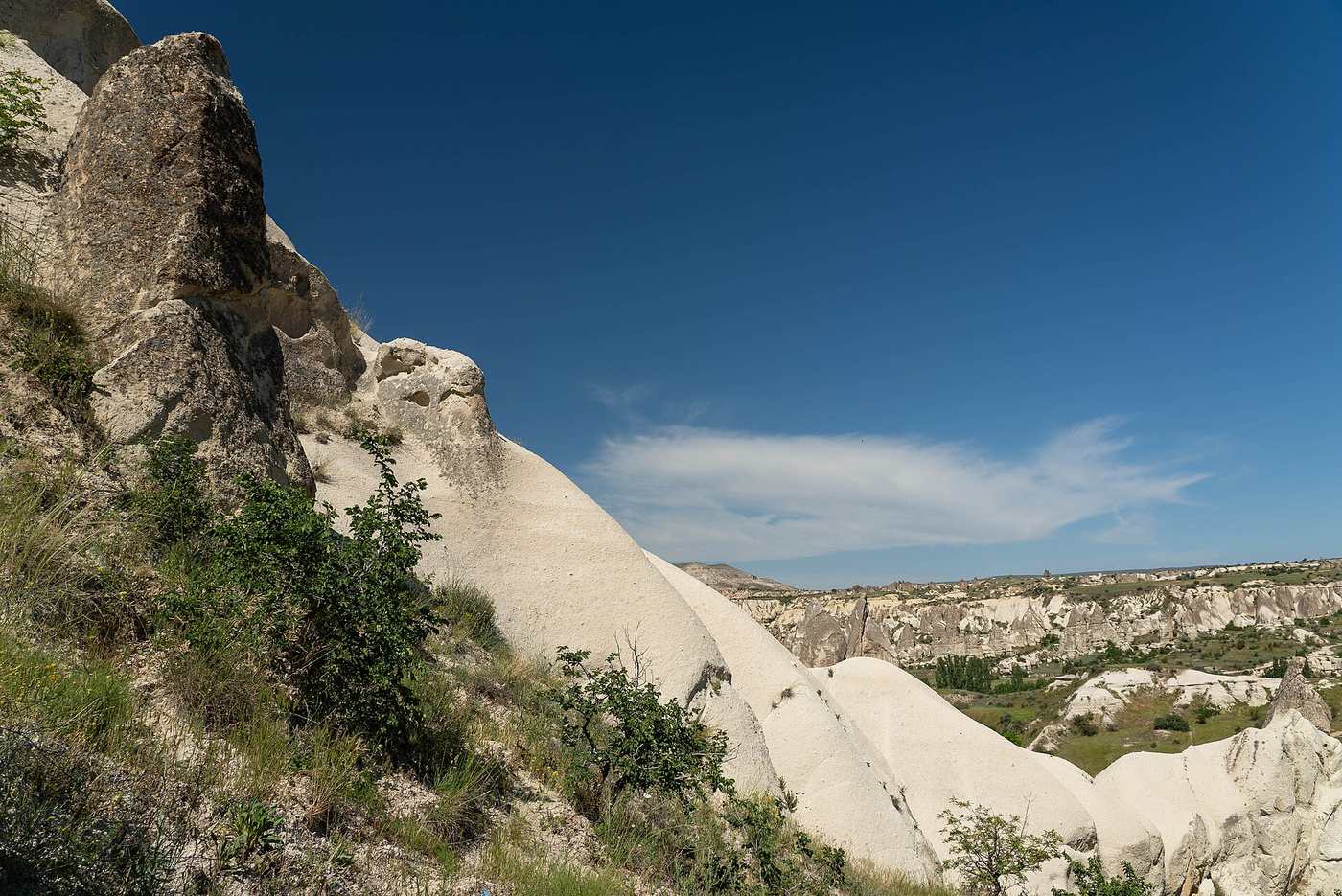
Farbenfrohe Täler
Rosental und Rotes Tal sind nach den rosa, orangen und tiefroten Farbtönen ihres Gesteins benannt, am kräftigsten in der letzten Stunde des Tageslichts. Das Devrent-Tal mit seinen blassen, kahlen Felsformationen bietet einen eindrucksvollen Kontrast, besonders vor blauem Himmel oder während der goldenen Stunde. Ein Spaziergang auf dem Rosen-Rotes-Tal-Weg zwischen Göreme und Çavuşin bietet Fotografen wechselnde Kompositionen entlang einer einzigen Route.
Höhlenarchitektur und kulturelle Szenen
Kappadokiens gemeißelte Höhlenwohnungen, Taubenschläge im Taubental und die Felsenkirchen des Freilichtmuseums Göreme bieten ein völlig anderes fotografisches Motiv — menschliche Geschichte, geschichtet auf die vulkanische Landschaft. Avanos, bekannt für seine Töpferwerkstätten am Fluss Kızılırmak, und die unterirdischen Städte von Derinkuyu und Kaymaklı runden die kulturellen Fotomöglichkeiten der Region ab, obwohl das schwache Licht unter der Erde eine weitere Blende oder ein kleines Stativ erfordert.
Beste Zeiten und praktische Tipps
- Goldene Stunde, zweimal täglich: Sonnenaufgang (Ballons, weiches Licht auf den Tälern) und die Stunde vor Sonnenuntergang (warme Töne auf Rosental und Rotem Tal).
- Mittagszeit vermeiden: Hartes Überkopflicht flacht die Textur ab, die Kappadokiens Felsformationen so markant macht.
- Die Saison prüfen: Frühling und Herbst bieten generell den klarsten Himmel; sehen Sie unseren Guide zur besten Reisezeit für Details, einschließlich wie die Ballonflug-Häufigkeit je nach Saison variiert.
- Drohnenfotografie: Die Regeln variieren und können restriktiv sein, besonders nahe Ballonflugkorridoren; bestätigen Sie die aktuellen Vorschriften vor Ort, bevor Sie fliegen.
- Geschützte Stätten respektieren: Manche Felsenkirchen untersagen Fotografie, um empfindliche Fresken zu schützen; folgen Sie immer den ausgehängten Hinweisen.
Planen Sie Ihre eigenen Aufnahmen
Wenn Fotografie eine Priorität für Ihre Reise ist, ziehen Sie in Betracht, Ihren Besuch so zu timen, dass eine Heißluftballonfahrt bei Morgengrauen mit einem Sonnenuntergangsspaziergang durch Rosen- oder Rotes Tal am selben Tag kombiniert wird — die beiden Enden des goldenen Stunden-Fensters, das Kappadokiens bestes Licht definiert. Viele geführte Kappadokien-Touren können ein Reiseprogramm um diese Fotofenster herum aufbauen, falls Sie die Logistik nicht selbst planen möchten.
Kameraausrüstung, die sich lohnt
Sie brauchen keine professionelle Ausrüstung, um mit starken Kappadokien-Fotos nach Hause zu kommen, aber ein paar Dinge machen einen echten Unterschied. Ein Weitwinkelobjektiv hilft, das Ausmaß eines ballonerfüllten Himmels oder eines vollen Talpanoramas einzufangen, während ein Mittelklasse-Zoom nützlich ist, um einzelne Ballons oder Freskendetails in den Kirchen des Freilichtmuseums zu isolieren. Ein leichtes Stativ lohnt sich für Aufnahmen bei schwachem Licht in den unterirdischen Städten und Höhlenkirchen, wo Blitzlicht oft eingeschränkt oder unerwünscht ist. Ersatzbatterien sind hier wichtiger als sonst, da frühe Starts bei kaltem Wetter Batterien schneller entleeren können als erwartet, besonders an winterlichen Ballonsaison-Morgen.
Beliebte Aussichtspunkte für Panoramen
Über die bereits erwähnten Täler hinaus lohnt sich eine Handvoll erhöhter Aussichtspunkte für jedes fotografisch orientierte Reiseprogramm. Die Burg von Uçhisar, der höchste Punkt der Region, bietet ein 360-Grad-Panorama, das Taubental, Göreme und die dahinterliegenden Feenkamin-Felder umfasst. Sunset Point, gleich außerhalb von Göreme, ist ein kurzer, leichter Spaziergang zu einer westlich ausgerichteten Terrasse, beliebt sowohl für Sonnenuntergangsfotografie als auch für ungezwungenes Ballonbeobachten. Für eine ruhigere Alternative mit ähnlichen Blicken heißen mehrere Höhlenhotel-Dachterrassen in Uçhisar und Göreme auch Nicht-Gäste für einen Kaffee oder Abenddrink speziell wegen der Aussicht willkommen — es lohnt sich zu fragen, falls Ihr eigenes Hotel keine hat.
Bearbeiten und Teilen
Kappadokiens warme, strukturierte Gesteinstöne und der Kontrast zwischen Ballonfarben und blassem Morgenhimmel reagieren gut auf moderate Kontrast- und Wärmeanpassungen statt starker Bearbeitung — die Szene selbst liefert meist genug visuelles Drama. Wenn Sie unter der Erde oder in schwach beleuchteten Kirchen fotografieren, erwarten Sie, sich auf eine weitere Blende oder höheren ISO-Wert statt auf Blitzlicht zu verlassen, sowohl um empfindliche Fresken zu schützen als auch weil künstliches Licht diese natürlich stimmungsvollen Räume selten verbessert. Welchen Ansatz Sie auch wählen, die Kombination aus Ballons, Tälern und in Fels gehauener Geschichte enttäuscht selten, und wiederkehrende Besucher sagen oft, dass sich das Licht mit den Jahreszeiten genug ändert, um eine erneute Reise lohnenswert zu machen.