Cappadocia's Underground Cities
Beneath the surface of Cappadocia lies one of the region's most astonishing features: a network of multi-level underground cities, carved into the soft volcanic tuff to shelter entire communities during times of invasion and unrest. The two largest and most-visited are Derinkuyu and Kaymaklı, both located roughly 30-40 minutes south of Göreme, though smaller underground complexes exist throughout the region, including beneath parts of Göreme itself.
These weren't simple shelters — they were fully functioning subterranean settlements, with ventilation shafts, wells, stables, wine and oil presses, storage rooms, churches, and even schools, connected by narrow tunnels that could be sealed from the inside with massive circular stone doors.
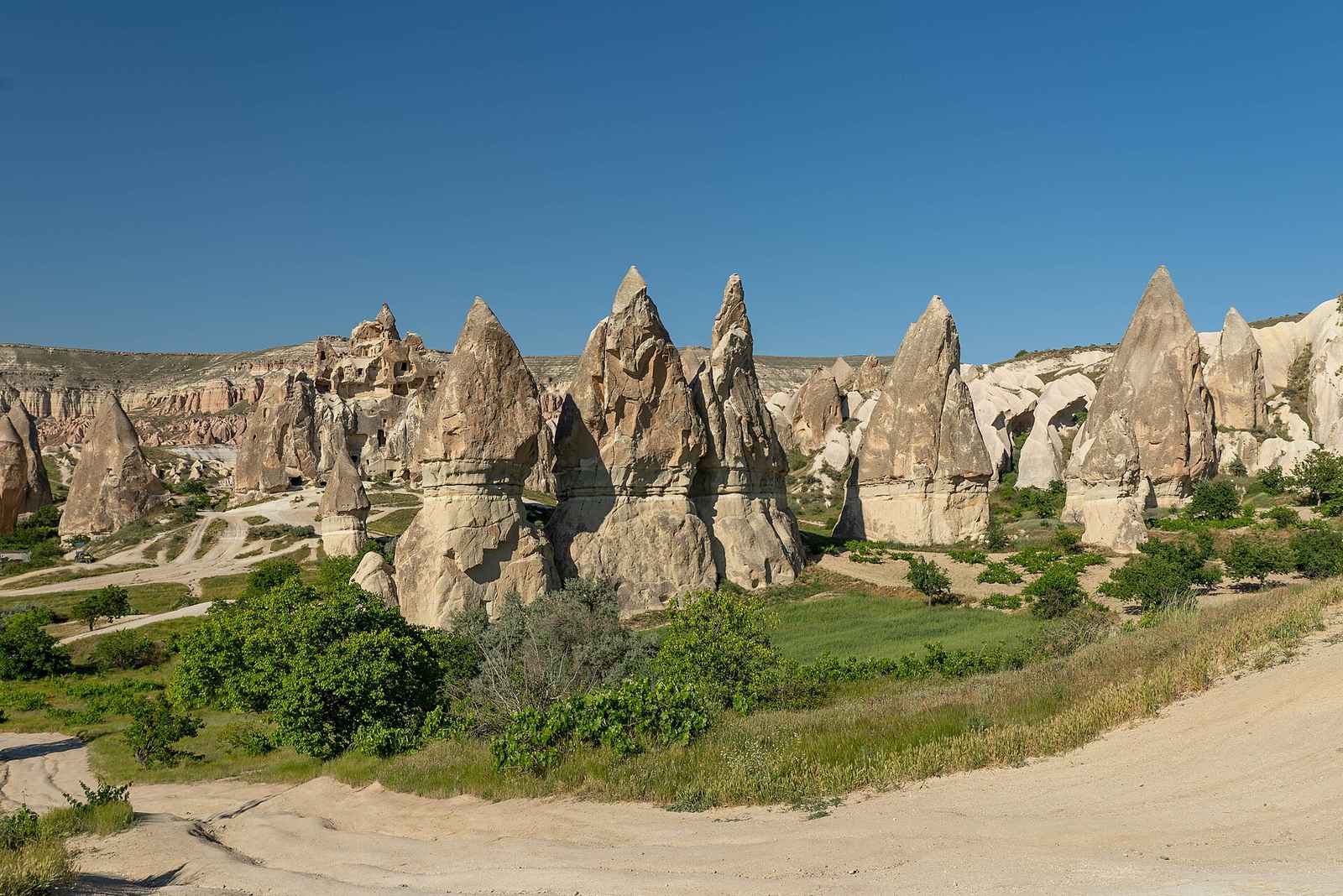
Derinkuyu: The Deepest Known Underground City
Derinkuyu is the largest excavated underground city in Cappadocia, descending roughly 60 meters across multiple levels — though only a portion is currently open to the public for safety reasons. Discovered accidentally in 1963 when a local resident renovating his home broke through a wall into a hidden tunnel, Derinkuyu is believed to have sheltered thousands of people along with their livestock and food stores during periods of conflict.
Notable features include large rolling stone doors used to seal tunnels from within, a deep ventilation shaft that also functioned as a well, a subterranean church on one of the lower levels, and connecting tunnels that, according to local tradition, once linked to other underground settlements in the region, including Kaymaklı, several kilometers away.
Kaymaklı: Compact and Well-Preserved
Kaymaklı's underground city spreads more horizontally than Derinkuyu, with lower ceilings and tighter passages but a similarly extensive layout of storage rooms, stables, and communal spaces across roughly four to eight accessible levels. It sits beneath the town of Kaymaklı and remains connected in local memory to the surface community, since many above-ground houses in the town still have entrances leading down into the old tunnel network.
| Derinkuyu | Kaymaklı | |
|---|---|---|
| Depth | ~60 m (visitor access to a portion) | Shallower, more horizontal layout |
| Levels open to visitors | Multiple, includes a church level | 4-8 levels |
| Character | More vertical, wider chambers | More compact, narrower passages |
| Distance from Göreme | ~40 minutes | ~30 minutes |
A Brief History
The exact origins of Cappadocia's underground cities are debated, but excavation and historical evidence suggest they were expanded significantly during the Byzantine era, when local Christian communities used them as refuge from Arab raids and later regional conflicts. Some sections may date to earlier periods. The tunnel networks were used intermittently for centuries, including as late as the early 20th century by local Christian communities during times of upheaval, before falling out of everyday use and eventually being rediscovered and opened to visitors in the mid-20th century.
Visiting Tips
- Wear comfortable clothes you don't mind getting dusty: some passages are low and narrow, requiring a slight stoop.
- Watch your head and footing: ceiling heights and step sizes vary considerably between original construction sections.
- If you're claustrophobic, consider Kaymaklı's shorter loops or ask your guide about routes that avoid the tightest passages.
- Bring a light layer: underground temperatures stay cool and stable year-round, a welcome break from summer heat but chilly in winter.
- Combine with Ihlara Valley: both underground cities sit on the route toward Ihlara Valley and Selime, making them a natural stop on a full-day itinerary.
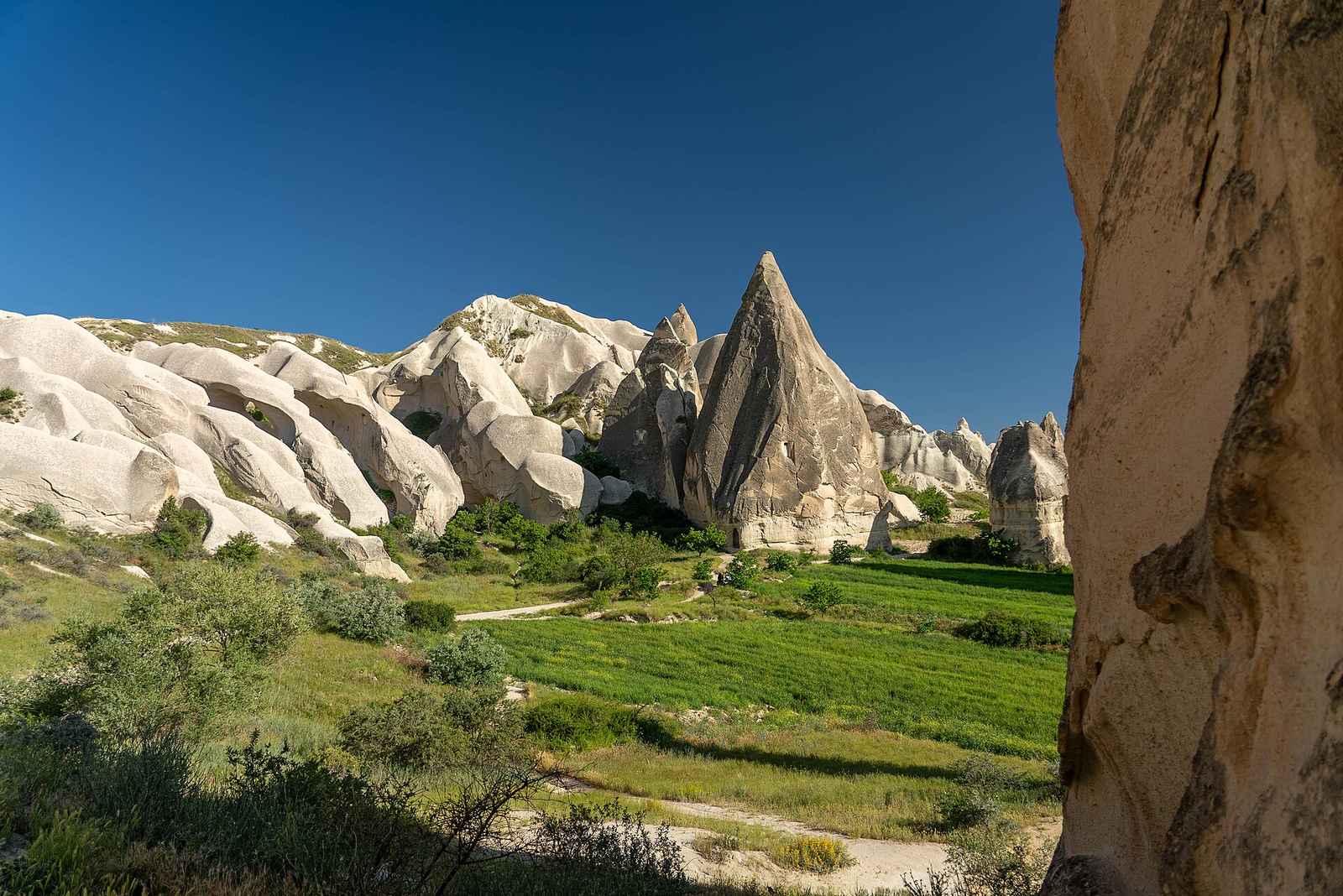
Getting There
Derinkuyu and Kaymaklı are best reached by car, organized tour, or occasional local bus service from Göreme or Nevşehir. Many Cappadocia tours combine one of the two underground cities with a walk through Ihlara Valley and a stop at a scenic viewpoint, making for an efficient full-day route through the region's southern sights. Independent travelers renting a car can easily visit both cities and Ihlara Valley in a single long day, using the map page to plan the route.
Beyond the Underground Cities
For more of Cappadocia's rock-cut architecture above ground, see the Göreme Open-Air Museum and its Byzantine cave churches, or explore the valleys that connect the region's surface landscape to its underground history. If you're planning your trip around Cappadocia's most iconic sights, our tours guide outlines the most efficient ways to see it all.
Life Inside an Underground City
Daily life inside these underground cities was carefully organized around survival for extended periods, sometimes weeks at a time, during raids or invasions. Ventilation shafts doubled as wells, drawing fresh air down to lower levels while also providing water access, a critical engineering detail that allowed communities to remain sealed off from the surface for long stretches. Stables for livestock were typically placed on upper levels, closer to the surface, both for ease of access and to keep animal waste away from living and storage areas below. Wine and oil presses, found in several chambers, suggest that some level of normal domestic production continued even during periods of underground refuge, rather than the cities being used purely as emergency bunkers.
Other Underground Sites Worth Knowing About
While Derinkuyu and Kaymaklı are the largest and most visited, they are far from the only underground structures in the region. Smaller underground complexes have been identified beneath Özkonak, Mazı, and several other villages, some still being excavated or only partially open to visitors. Local tradition holds that a number of these underground cities were once linked by long connecting tunnels, allowing communities to move between settlements without surfacing, though the full extent of any such tunnel network has not been definitively mapped. This scattered network of underground refuges across the wider Cappadocia region underscores how central the threat of invasion was to daily life here across multiple historical periods.
Safety and Accessibility Notes
Both Derinkuyu and Kaymaklı have been reinforced and lit for visitor safety, with marked routes that avoid the most structurally uncertain original passages. That said, visitors with mobility limitations, significant claustrophobia, or difficulty with stairs and stooped walking should be aware that some sections require ducking through low doorways and descending uneven stone steps. Guides and site staff can usually advise on which loop or level offers the most comfortable experience for visitors with specific concerns.