Göreme Open-Air Museum: Cappadocia's Byzantine Heart
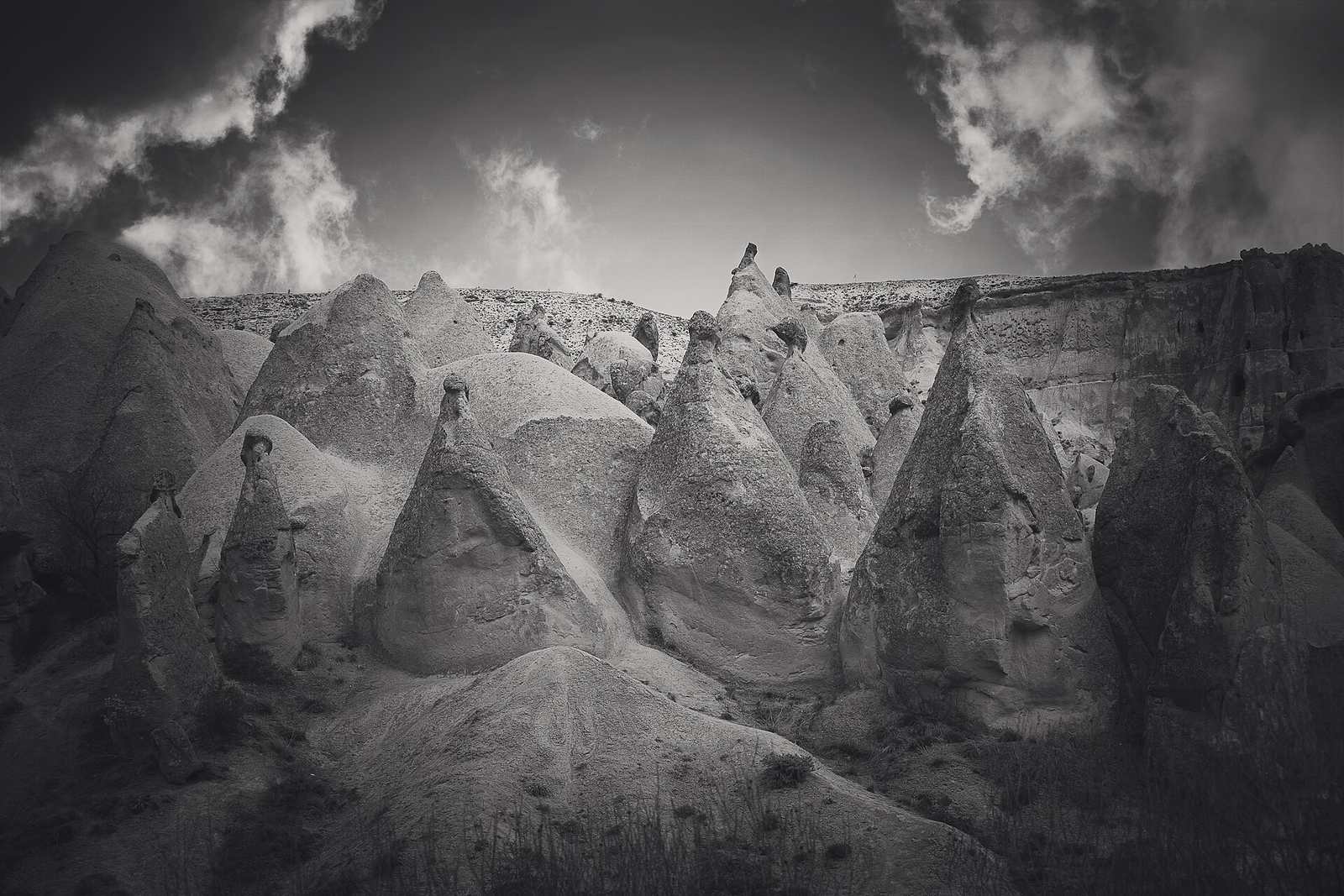
The Göreme Open-Air Museum is a cluster of rock-cut monastic buildings — churches, chapels, dining halls, and living quarters — carved directly into a set of fairy chimney formations just outside the town of Göreme. Established as a religious community from around the 10th century onward, the site preserves some of the best examples of Byzantine cave church architecture and fresco painting anywhere in the world, and forms a core part of the UNESCO World Heritage listing for Göreme National Park and the Rock Sites of Cappadocia, inscribed in 1985.
Unlike a conventional museum, there is no single building to walk through — instead, a marked path winds between a dozen or so churches and monastic structures, each carved into the soft tuff rock, with narrow tunnels, rock-cut staircases, and low doorways connecting many of them.
What You'll See
- Elmalı Kilise (Apple Church): one of the best-preserved fresco cycles, depicting biblical scenes in vivid red and blue pigments.
- Karanlık Kilise (Dark Church): named for its limited natural light, which helped preserve some of the museum's most vivid and complete frescoes; requires a separate ticket.
- Yılanlı Kilise (Snake Church): named for a fresco depicting Saint George battling a dragon-like serpent.
- Tokalı Kilise (Buckle Church): the largest church in the complex, located just outside the main ticketed area, with an extensive fresco program.
- Rahibeler Manastırı (Nuns' Convent): a multi-story rock-cut structure believed to have housed a community of nuns, with a chapel, kitchen, and dining hall.
- Refectories and kitchens: long rock-cut tables and benches used communally by the monastic community.
Tickets and Museum Access
| Managed by | Turkish Ministry of Culture and Tourism |
| Müzekart | Valid for Turkish citizens and residents (free or discounted entry) |
| Foreign visitors | Pay a set entrance fee; Dark Church requires a separate additional ticket |
| Typical hours | Roughly 08:00-17:00 in winter, later in summer (seasonal) |
| Verify current pricing | Always check muze.gov.tr before your visit, as fees and hours are updated periodically |
Because ticket prices and opening hours for Turkish state museums are revised from time to time, it's worth confirming the current fee and schedule on the official muze.gov.tr site shortly before your trip rather than relying on older sources.
Visiting Tips
- Arrive early: the museum is one of the most visited sites in Cappadocia, and tour groups tend to arrive mid-morning; an early visit means quieter churches and better photo opportunities.
- Budget separate time and money for the Dark Church: its ticket is sold separately and often has a queue, but the fresco preservation inside is considered the best in the complex.
- Wear comfortable shoes: the paths involve stairs, slopes, and low rock-cut doorways.
- No flash photography: protect the fragile pigments by keeping flash off, and follow posted rules in each church.
- Combine with Tokalı Kilise: this largest church sits just outside the main gate on a separate, usually included, ticket path — don't skip it.
Getting There
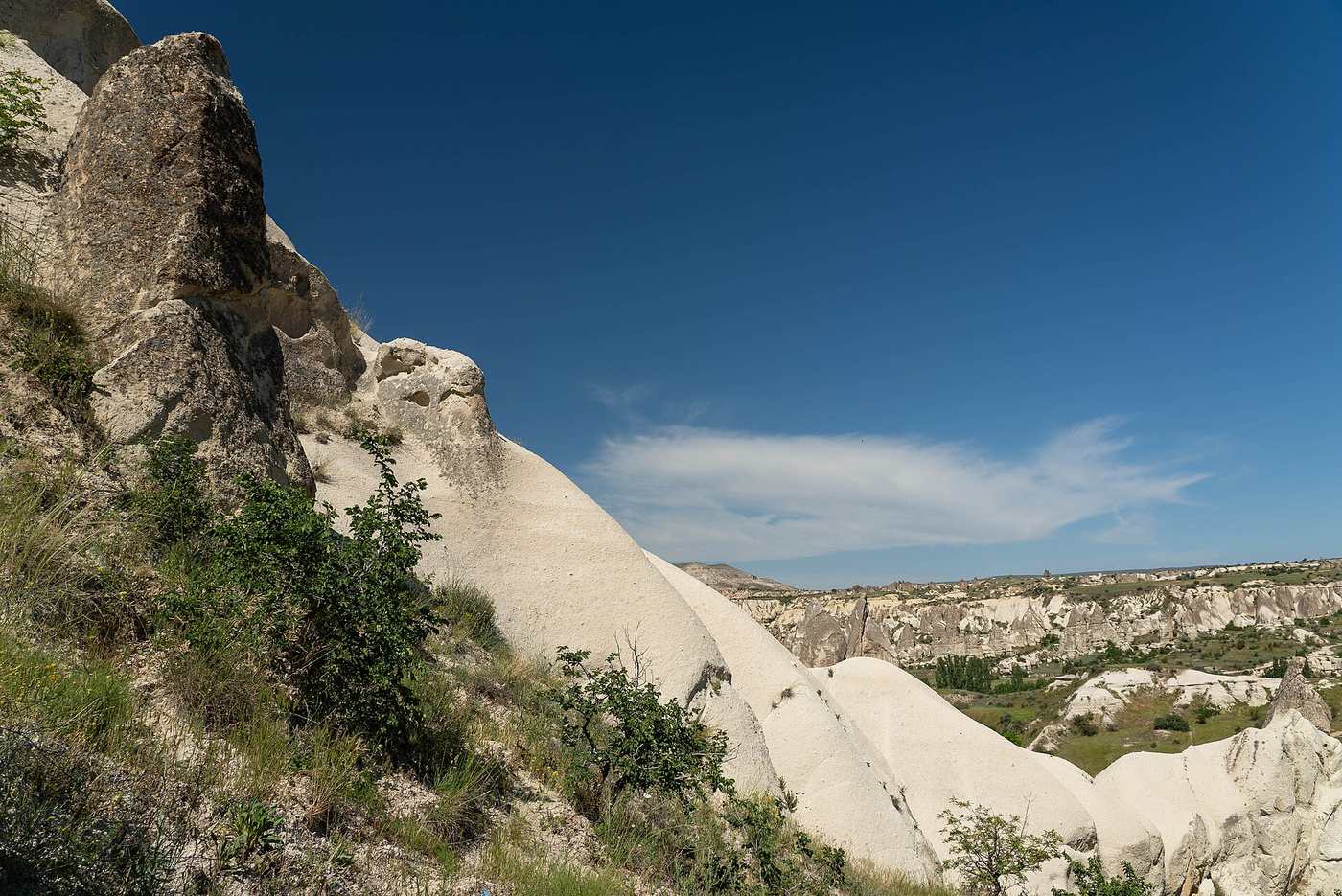
The museum sits about a 20-30 minute walk, or a short taxi or dolmuş ride, from central Göreme, making it one of the easiest major sights in Cappadocia to reach without a car. Many Cappadocia day tours include the Göreme Open-Air Museum as a stop alongside Paşabağ and Devrent Valley, which can be a convenient way to combine it with a guided historical explanation of the frescoes and monastic life depicted inside.
Why the Frescoes Survived
Cappadocia's isolation and the durability of the rock-cut structures helped preserve these frescoes for centuries after most above-ground Byzantine churches elsewhere were lost to war, weather, or reuse. Pigments made from natural minerals — ochre for reds and yellows, and locally available blues and greens — were applied directly to a lime plaster surface inside the caves, where limited light and stable temperatures helped protect the paint. Restoration work over recent decades has stabilized many of the frescoes further, though ongoing conservation means some chapels are periodically closed to visitors.
Planning the Rest of Your Visit
The Göreme Open-Air Museum pairs naturally with a walk through nearby Rose or Red Valley, both within walking distance, or with a stop at Zelve and Paşabağ a short drive away. For a fuller picture of Cappadocia's underground architecture, see our guide to the underground cities of Derinkuyu and Kaymaklı, and check our best time to visit guide to plan around the quietest visiting hours.
The Monastic Community Behind the Museum
The churches and structures preserved at Göreme were part of a working monastic community, not simply isolated hermit cells. Rock-cut refectories with long stone tables and benches suggest communal dining, while adjoining kitchens, wine presses, and storage rooms indicate a largely self-sufficient settlement. Some scholars believe the site functioned as a training center for clergy, given the concentration and variety of churches within a relatively small area, each seemingly built or expanded by different groups over successive generations. The layout, with structures connected by narrow rock-cut passages and staircases carved directly into the fairy chimneys, reflects both practical defensive considerations and the deeply communal nature of monastic life in this period.
Understanding the Frescoes' Artistic Styles
Art historians typically distinguish between several phases of fresco work at Göreme, ranging from simpler, earlier symbolic decoration using red ochre line drawings to later, more elaborate figurative cycles depicting full biblical narratives in vivid color. The Apple Church and Dark Church represent the more developed, later style, with detailed portrayals of the life of Christ, the apostles, and various saints, painted using pigments derived from local minerals and plant sources. Comparing the styles across different churches on a single visit offers a rough visual timeline of how the artistic tradition at the site evolved over the centuries the monastic community was active.
A Note on Nearby Ortahisar and Çavuşin
Travelers with extra time after visiting the main Göreme Open-Air Museum complex often continue on to the nearby town of Çavuşin, home to another large rock-cut church, or to Ortahisar, a smaller rock-castle town with its own network of cave dwellings and a quieter atmosphere than central Göreme. Both make for an easy add-on to a museum visit and offer a sense of how the region's rock-cut architecture extends well beyond the boundaries of the official open-air museum site itself.