Schlafen in einer Höhle: Kappadokiens Signature-Erlebnis
Einer der einprägsamsten Teile einer Kappadokien-Reise ist es, mindestens eine Nacht in einem Höhlenhotel zu verbringen – einem Zimmer, das in den weichen vulkanischen Tuffstein der Region gehauen oder ihm nachempfunden ist. Höhlenunterkünfte reichen von einfachen, günstigen Pensionszimmern bis zu aufwendigen Luxussuiten mit gemeißelten Steinbögen, privaten Terrassen und Frühstücksplätzen mit Ballonblick, vor allem in Göreme, Ürgüp und Uçhisar.
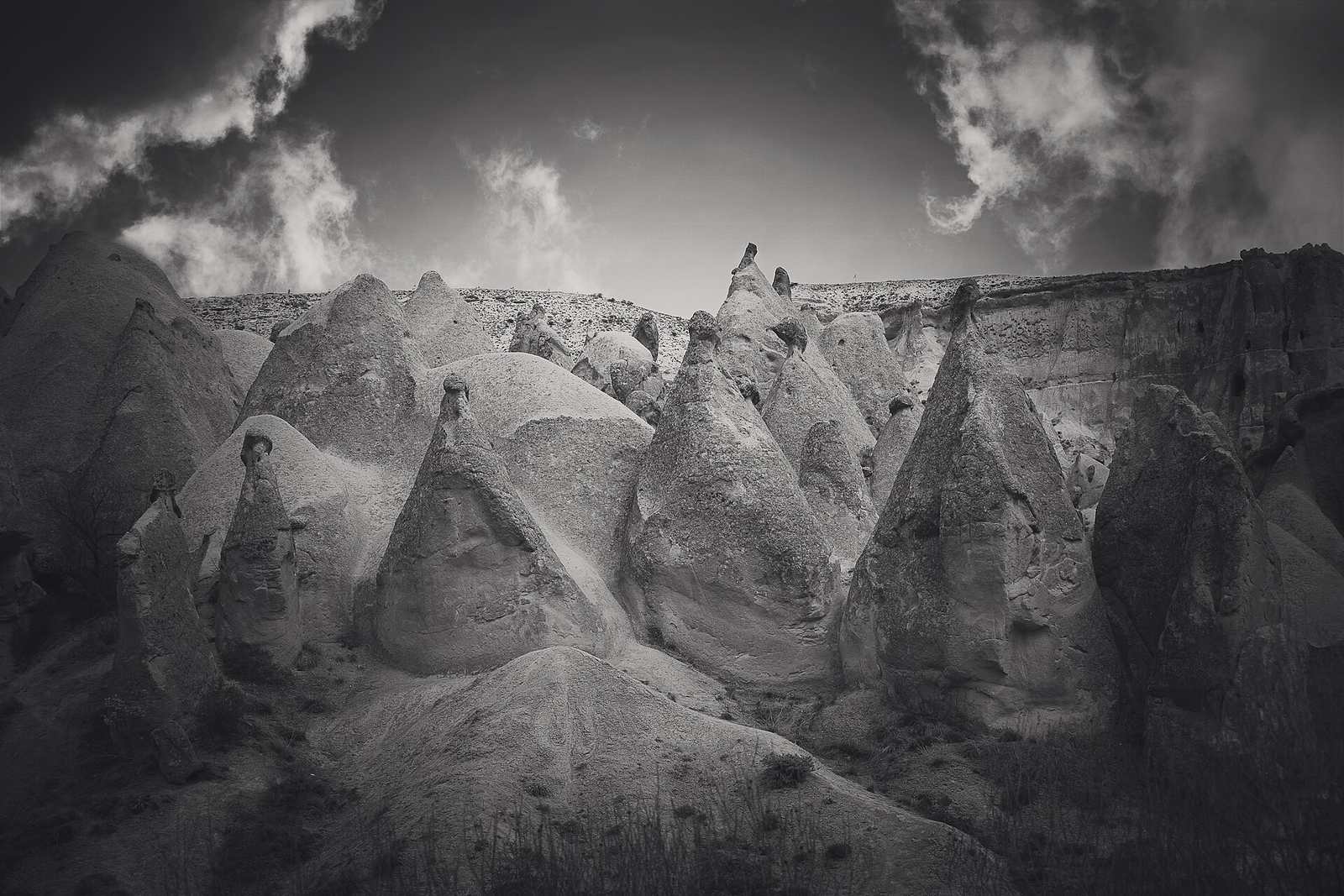
Echte Höhlen vs. höhlenartige Neubauten
Nicht jedes „Höhlenhotel" ist eine echte, jahrhundertealte, in Fels gehauene Behausung. Grob lassen sich die Angebote in zwei Kategorien einteilen:
- Authentische Höhlenzimmer: gehauen aus natürlichen Tuffformationen, manchmal ursprünglich als Wohnhaus, Lagerraum oder sogar Kirche genutzt und später zu Gästezimmern umgebaut. Diese haben meist natürlich kühle, dicke Steinwände und unregelmäßige, charaktervolle Formen.
- Höhlenartige Neubauten: mit modernen Materialien errichtet, gestaltet, um die gebogene, gewölbte Ästhetik traditioneller Höhlenarchitektur nachzuahmen, oft mit berechenbarerem modernem Komfort.
Beide können ausgezeichnete Wahlen sein; wenn Ihnen ein authentisches, in Fels gehauenes Zimmer wichtig ist, prüfen Sie die Hotelbeschreibungen oder fragen Sie direkt nach, da viele Anlagen beide Zimmertypen im selben Gebäudekomplex mischen.
Wo übernachten
Göreme
Die zentralste und am besten zu Fuß erreichbare Basis, nahe dem Freilichtmuseum Göreme, mehreren Talausgangspunkten und Ballonstartplätzen. Göreme hat die größte Bandbreite an Höhlenhotels nach Preisklasse, von Budget-Pensionen bis zu Boutique-Höhlensuiten, sowie die lebendigste Restaurant- und Café-Szene.
Ürgüp
Eine kurze Fahrt von Göreme entfernt bietet Ürgüp eine ruhigere, etwas gehobenere Atmosphäre mit wachsendem Ruf für Weinverkostung und gute Küche neben seinen Höhlenhotels. Es ist eine gute Wahl für Reisende, die eine ruhigere Basis suchen, ohne weit von den Hauptsehenswürdigkeiten entfernt zu sein.
Uçhisar
Rund um Kappadokiens höchste Felsformation, die Burg von Uçhisar, gebaut, bietet dieser Ort einige der dramatischsten Panoramablicke der Region von Höhlenhotel-Terrassen aus, oft direkt über das Taubental hinweg in Richtung Göreme. Es ist tendenziell ruhiger als Göreme, bleibt aber eine kurze Fahrt von den Hauptattraktionen entfernt.
Worauf Sie bei der Buchung achten sollten
- Terrasse oder Zimmer mit Ballonblick: Wenn Ihnen wichtig ist, die Sonnenaufgangsballons vom eigenen Hotel aus zu sehen, bestätigen Sie vor der Buchung, dass das jeweilige Zimmer oder die Gemeinschaftsterrasse eine ungehinderte Sicht hat.
- Belüftung und Heizung/Kühlung: Echte Höhlenzimmer sind im Sommer natürlich kühl, prüfen Sie aber, ob die Heizung für Winteraufenthalte ausreicht, da Steinwände sich ohne Heizung kalt anfühlen können.
- Natürliches Licht: Manche tiefen Höhlenzimmer haben begrenzte Fenster; falls Ihnen das wichtig ist, suchen Sie nach Zimmern mit privater Terrasse oder größeren Fensteröffnungen.
- Lage zu den Sehenswürdigkeiten: Göreme bietet den am besten zu Fuß erreichbaren Zugang zum Freilichtmuseum und den Talpfaden, während Uçhisar und Ürgüp mehr auf Auto, Taxi oder Tourtransport angewiesen sind.
- Frühstücksterrasse mit Ausblick: Viele Höhlenhotels bauen ihren Ruf auf einem Dach- oder Terrassenfrühstück auf, das zeitlich auf die Sonnenaufgangs-Ballonfahrten abgestimmt ist.
Ihren Aufenthalt buchen
Die Verfügbarkeit von Höhlenhotels wird während der Frühlings- und Herbst-Hochsaison deutlich knapper, und Zimmer mit garantiertem Ballonblick können in der Hauptsaison schon Wochen im Voraus ausgebucht sein. Wenn Sie Hilfe möchten, Ihre Unterkunft mit dem Rest Ihrer Reiseroute abzustimmen, durchstöbern Sie Hotel-Optionen in Kappadokien für eine kuratierte Auswahl an Höhlenanlagen in Göreme, Ürgüp und Uçhisar.
Ihren Aufenthalt planen
Ein Höhlenhotel ist die ideale Basis für eine frühe Heißluftballonfahrt, einen Tag mit Talwanderungen und Abende, an denen Sie den Sonnenuntergang von Ihrer eigenen Terrasse aus beobachten. Sehen Sie sich unseren Guide zur besten Reisezeit an, um saisonale Preis- und Verfügbarkeitsmuster zu verstehen, und prüfen Sie wie Sie dorthin gelangen für Transfermöglichkeiten vom Flughafen zu Ihrem Hotel.
Eine kurze Geschichte des Höhlenlebens in Kappadokien
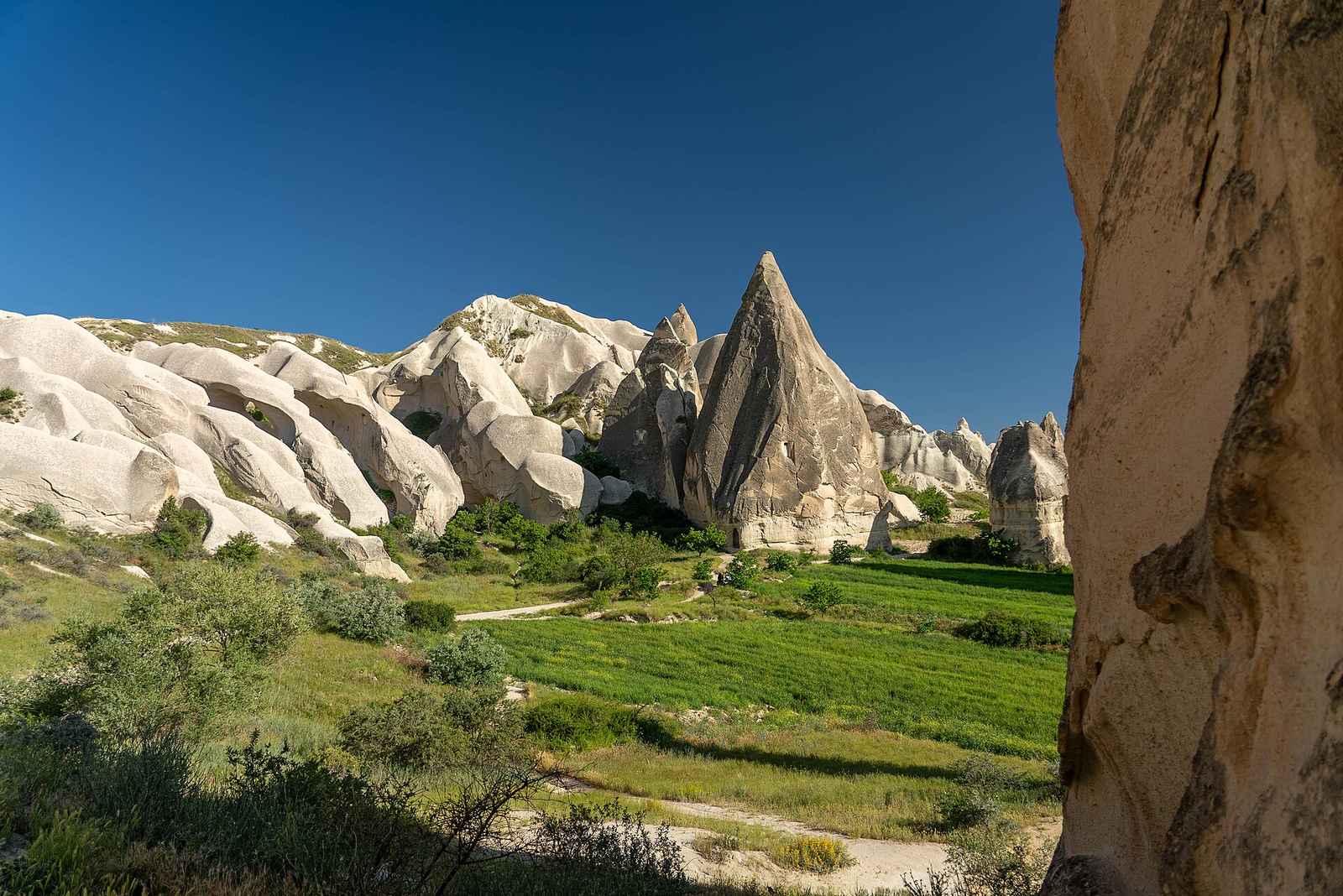
Höhlenwohnungen in Kappadokien sind keine moderne, für den Tourismus erfundene Neuheit – sie spiegeln eine jahrhundertealte Lebensweise wider, geprägt von demselben weichen vulkanischen Tuff, der die Feenkamine der Region formte. Lokale Familien meißelten historisch Wohnungen direkt in den Fels, weil das Material mit einfachen Werkzeugen leicht zu bearbeiten war und die dicken Steinwände natürliche Isolierung gegen Sommerhitze und Winterkälte boten, ohne mechanische Heizung oder Kühlung. Viele der heutigen Höhlenhotels sind aus echten früheren Wohnhäusern umgebaut, manchmal mehrgenerationelle Familienheime, und bewahren originale Merkmale wie gemeißelte Nischen, gewölbte Türeingänge und sogar alte Ställe, die heute als Lobby oder Frühstücksraum dienen.
Wie sich ein typisches Höhlenzimmer anfühlt
Innen hat ein Höhlenzimmer typischerweise dicke, gewölbte Steinwände, oft weiß getüncht oder in natürlichen Tufftönen belassen, mit runden Türen und Nischen statt scharfer Ecken herkömmlicher Bauweise. Da der Fels eine ganzjährig stabile Temperatur hält, fühlen sich Zimmer im Sommer angenehm kühl an, ohne stark auf Klimaanlage angewiesen zu sein, während moderne Heizsysteme die kälteren Monate übernehmen. Viele Anlagen bewahren kleine Designdetails der ursprünglichen Struktur – ein gemeißeltes Regal, das einst Öllampen hielt, eine runde Nische, die als Stauraum diente – neben modernen Ergänzungen wie eigenem Bad, Fußbodenheizung und WLAN.
Buchungsüberlegungen für Erstbesucher
Erstbesucher nehmen manchmal an, alle Höhlenhotels seien ähnlich, doch die Bandbreite bei Preis, Authentizität und Ausstattung ist beträchtlich. Budgetreisende finden einfache, echt gemeißelte Zimmer in familiengeführten Pensionen in Göreme für einen Bruchteil der Kosten einer Luxus-Höhlensuite in Ürgüp mit privater Terrasse und Ballonblick. Aktuelle Bewertungen zu lesen, mit spezifischem Blick auf Lärmpegel (manche Höhlenhotels liegen nahe an Nachtlebenzonen im zentralen Göreme), Belüftung und ob der beworbene „Ballonblick" vom Zimmer selbst oder einer Gemeinschaftsterrasse aus besteht, hilft, realistische Erwartungen vor der Buchung zu setzen.