Ihren Besuch um die Wasserstände herum timen
Anders als bei vielen Attraktionen, wo die „beste Reisezeit" hauptsächlich von Wetter und Andrang abhängt, ist bei der Saklıkent-Schlucht der wichtigste Faktor der Wasserstand. Der Fluss Eşen, der die Schlucht geformt hat, wird von Schneeschmelze und Quellen aus dem umliegenden Akdağlar-Gebirge gespeist, sodass sich im Jahresverlauf spürbar ändert, wie weit Sie tatsächlich hineinwaten können. Die richtige Saison zu treffen, macht den Unterschied zwischen einem kurzen Stegbesuch und einem richtigen tiefen Schluchtwaten.
April bis Mai: Hoher Wasserstand, begrenzter Zugang
Der Frühling bringt Schneeschmelzabfluss aus den Bergen, der den Wasserstand und die Strömungsstärke des Flusses Eşen erheblich anhebt. Die Schlucht ist geöffnet, und das Stegerlebnis lohnt sich weiterhin, aber die tieferen, engeren Abschnitte der Schlucht können zu dieser Jahreszeit schwierig oder unsicher zu durchwaten sein, und der Zugang zum Inneren ist oft eingeschränkter als im Sommer. Wer sich fest für einen Frühlingsbesuch entschieden hat, sollte die aktuellen Bedingungen vor Ort prüfen, bevor er davon ausgeht, die volle Route gehen zu können.
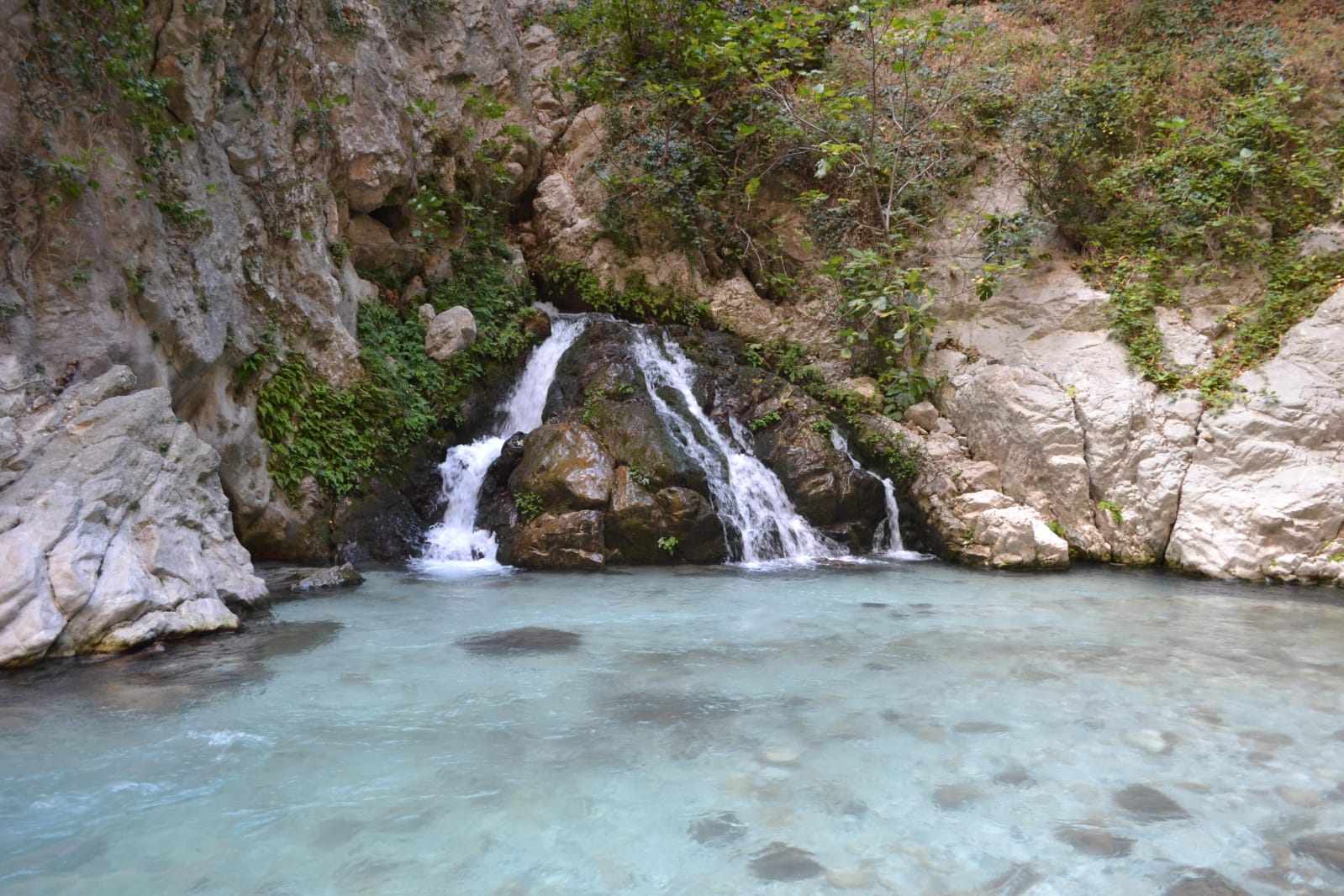
Juni bis September: Hauptsaison für den tiefen Gang
Dies ist das Fenster, auf das die meisten Besucher zielen sollten. Bis Juni sind die Wasserstände genug vom Frühlingshoch gesunken, sodass ein tiefer Gang in das enge Innere der Schlucht für die meisten Besucher realistisch wird, und das Wasser – immer kalt – ist zu durchwaten, statt eine schnelle, wasserreiche Strömung zu sein. Die Sommerhitze an der Türkisküste lässt das eisige Wasser auch wirklich erfrischend statt einfach nur kalt erscheinen, ein großer Teil von Saklıkents Reiz als Fluchtort vor der Hitze. Juli und August sind die geschäftigsten Monate, da dies mit der türkischen Hauptsaison für Küstenurlaub zusammenfällt – ein früher Tagesbeginn hilft, den größten Andrang am Steg und Schluchteingang zu vermeiden.
Oktober: Ruhiger, weiterhin zugänglich
Der frühe Herbst behält meist angemessene Wasserstände und milde Regionaltemperaturen bei, mit spürbar weniger Besuchern als im Juli-August-Hoch. Ein gutes Fenster für Reisende, die ein ruhigeres Erlebnis über die absolut wärmsten Bedingungen stellen, auch wenn es sich lohnt, den aktuellen Zugang vor Ort zu bestätigen, während sich die Saison wandelt.
Winter und früher Frühling: Für den tiefen Gang nicht empfohlen
Außerhalb des Fensters von etwa April bis Oktober machen kältere Temperaturen und höheres, schnelleres Wasser den tiefen Schluchtgang meist unpraktisch oder aus Sicherheitsgründen gesperrt, selbst wo das weitere Gelände technisch geöffnet bleibt. Wer die Region im Winter aus anderen Gründen besucht, sollte Saklıkent als optionalen, wetterabhängigen Stopp betrachten, nicht als geplantes Highlight.
Tageszeit
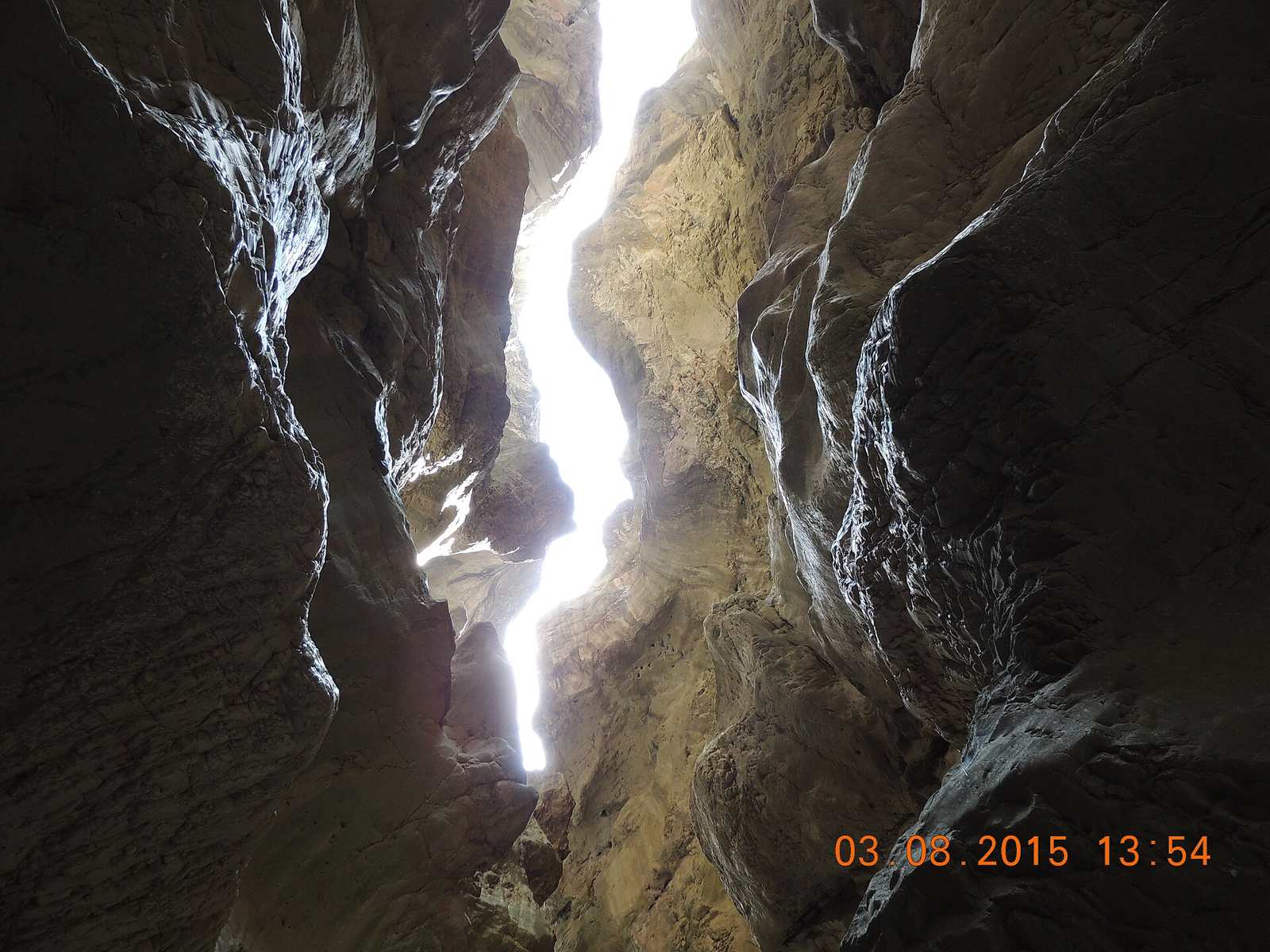
Unabhängig von der Saison hat eine frühere Ankunft echte Vorteile: kühlere Lufttemperaturen für den Weg zum und vom Eingang, geringerer Andrang auf dem Steg und in den engsten Schluchtabschnitten sowie besseres Licht für Fotografie im Inneren, wo die Sonne den Schluchtgrund nur unter bestimmten Winkeln erreicht. Der Mittag im Hochsommer bringt sowohl den größten Andrang als auch die intensivste Hitze außerhalb des schattigen Schlucht-Inneren.
Kurze saisonale Übersicht
| Saison | Wasserstand | Zugang zur tiefen Schlucht | Andrang |
|---|---|---|---|
| April–Mai | Hoch, kalt, schnell | Oft begrenzt | Moderat |
| Juni–September | Niedriger, weiterhin kalt | Am besten für den vollen Gang | Hoch im Jul–Aug |
| Oktober | Moderat | Generell gut | Geringer |
| Nov–März | Am höchsten, kältesten | Eingeschränkt oder gesperrt | Gering |
Die Saison an Ihre Aktivitätspläne anpassen
Wenn das tiefe Schluchtwaten Priorität hat, zielen Sie klar auf das oben beschriebene Fenster Juni–September. Wenn Sie sich mehr für Canyoning oder Ziplining interessieren, laufen diese Aktivitäten meist über dieselbe grobe Saison, auch wenn sich bestimmte Routen und wasserabhängige Abschnitte je nach aktuellen Bedingungen anpassen können – bestätigen Sie dies direkt bei Anbietern, bevor Sie buchen, besonders früh oder spät in der Saison. Reisende, denen die Forellenrestaurants und das Stegerlebnis am wichtigsten sind, haben mehr Flexibilität, da diese Aspekte eines Besuchs weit weniger von Wasserständen abhängen als das tiefe Schluchtwaten selbst.
Wie das regionale Wetter die gesamte Reise beeinflusst
Die Lage von Saklıkent im Eşen-Tal im Landesinneren bedeutet, dass sein Klima grob demselben Mittelmeermuster wie Fethiye und die umliegende Küste folgt – heiße, trockene Sommer und milde, feuchtere Winter –, allerdings mit etwas kühleren Nächten aufgrund der Höhenlage und Nähe zum Akdağlar-Gebirge. Wer den Besuch mit Zeit in Tlos oder Patara kombiniert, sollte bedenken, dass Pataras Strand am besten im selben Juni-September-Fenster genossen wird, das auch zu Saklıkent passt – die beiden lassen sich also leicht auf einer gut getimten Reise zusammen planen. Tlos hingegen ist über eine breitere Saison hinweg angenehm zu besuchen, da es überhaupt nicht von Wasserständen abhängt.
Die schlimmste Mittagshitze vermeiden
Selbst innerhalb des idealen Fensters Juni–September können die Mittagstemperaturen im Eşen-Tal deutlich über die 30-°C-Marke steigen, was das schattige, kalte Schlucht-Innere bei Ankunft wie eine echte Erleichterung erscheinen lässt – aber auch den Weg zum und vom Eingang sowie jede Zeit auf dem offenen Steg oder Parkplatz erheblich anstrengender macht. Wasser, Kopfbedeckung und Sonnenschutz für diese exponierten Abschnitte mitzubringen, lohnt den kleinen Mehraufwand, auch wenn die Schlucht selbst kühl bleibt.
Ihre Reise planen
Wenn Ihr Besuch flexibel ist, zielen Sie auf Juni bis September für die beste Kombination aus überschaubaren Wasserständen und dem klassischen Kontrast aus heißem Tag und kaltem Wasser, der Saklıkent unvergesslich macht. Wenn Sie an ein Frühlings- oder Nebensaisondatum gebunden sind, planen Sie Steg und äußere Abschnitte als realistischen Umfang statt des vollen tiefen Schluchtwatens, und schauen Sie in unseren Aktivitätsguide für Aktivitäten – wie die Forellenrestaurants –, die überhaupt nicht von Wasserständen abhängen. Siehe unsere Ticketseite für aktuelle Eintrittsgebühren und unseren Anreiseguide für Transport ab Fethiye oder Dalaman.