Wann Sie Kappadokien besuchen sollten
Kappadokiens Hochwüstenklima bedeutet heiße, trockene Sommer, kalte Winter mit gelegentlichem Schnee und milde Übergangsjahreszeiten, die insgesamt die beste Kombination aus Wetter, Licht und Besucherzahlen bieten. Da so viel vom Kappadokien-Erlebnis – Heißluftballonfahrten, Talwanderungen und Sightseeing im Freien – vom Wetter abhängt, kann die Wahl der richtigen Saison Ihre Reise spürbar prägen.
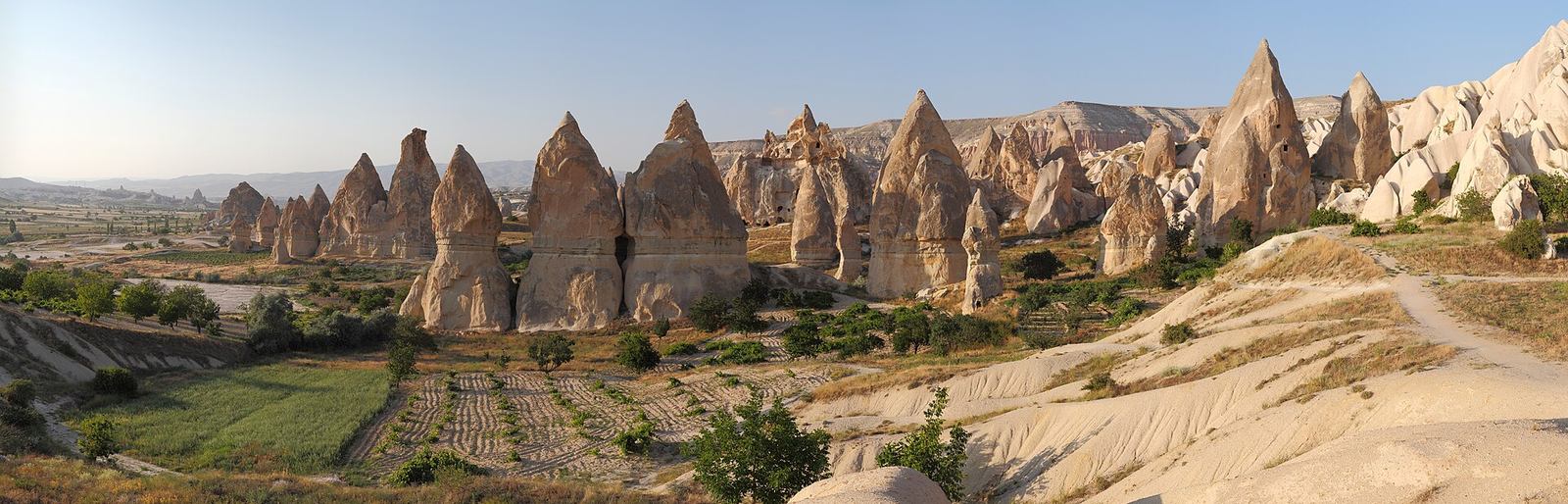
Saisonübersicht
| Saison | Monate | Temperaturen | Ballonflug-Chancen | Andrang |
|---|---|---|---|---|
| Frühling | April-Juni | Mild, 15-25°C tagsüber | Hoch | Mäßig bis hoch im Mai-Juni |
| Sommer | Juli-August | Heiß, oft über 30°C | Gut am frühen Morgen, diesigerer Himmel | Höchster Andrang des Jahres |
| Herbst | September-Oktober | Mild, 15-25°C tagsüber | Hoch | Mäßig bis hoch |
| Winter | November-März | Kalt, 0-10°C, möglicher Schnee | Niedriger, mehr Ausfälle | Am niedrigsten, beste Hotelpreise |
Frühling (April-Juni)
Der Frühling ist eines der beiden empfohlenen Hauptreisefenster. Die Temperaturen sind angenehm für Wanderungen und Sightseeing im Freien, Wildblumen bringen Farbe in die Täler, und die Bedingungen für Ballonfahrten sind meist günstig, wobei der April gelegentlich Regen bringen kann. Ende Mai und Juni ziehen mit Schulferien und wärmerem Wetter zunehmend mehr Besucher an.
Sommer (Juli-August)
Der Sommer ist Kappadokiens geschäftigste und heißeste Saison, mit Tagestemperaturen, die regelmäßig 30°C übersteigen, während die Felslandschaft der Region nur wenig natürlichen Schatten bietet. Ballonfahrten finden weiterhin statt, meist mit sehr frühem Start, um sowohl der Hitze als auch möglichem Mittagswind zuvorzukommen, doch der sommerliche Dunst kann die Sicht im Vergleich zum klareren Licht von Frühling und Herbst abschwächen. Wanderungen sollten am frühen Morgen stattfinden; die Mittagsstunden verbringt man besser in einem Museum, am Pool eines Höhlenhotels oder im Freilichtmuseum von Göreme.
Herbst (September-Oktober)
Der Herbst ist die andere top-empfohlene Saison und übertrifft in puncto stabilem Wetter und klarem Himmel den Frühling oft leicht. Der September behält noch etwas Sommerwärme bei geringerem Andrang als im August, während der Oktober klarere Luft, gute Wanderbedingungen und warmes Herbstlicht über die Täler bringt – ideal sowohl für Ballonfahrten als auch für Fotografie. Viele halten diese Phase für Kappadokiens zuverlässigste Zeit, in der Ballonfahrten tatsächlich planmäßig starten.
Winter (November-März)
Der Winter verwandelt Kappadokien in eine ruhigere, gelegentlich schneebedeckte Landschaft, in der Feenkamine und Höhlenhotel-Terrassen weiß überzuckert sind – eine eindrucksvolle und deutlich weniger überlaufene Alternative zur Hauptsaison. Heißluftballons fliegen weiterhin, wenn es die Bedingungen erlauben, doch Wind und schlechte Sicht führen zu häufigeren Ausfällen als im Frühling oder Herbst, weshalb es sich lohnt, Flexibilität in den Zeitplan einzubauen. Hotelpreise, auch für Höhlenhotels, sind in der Regel am niedrigsten, und beliebte Stätten wie das Freilichtmuseum Göreme und die unterirdischen Städte sind deutlich weniger überlaufen.
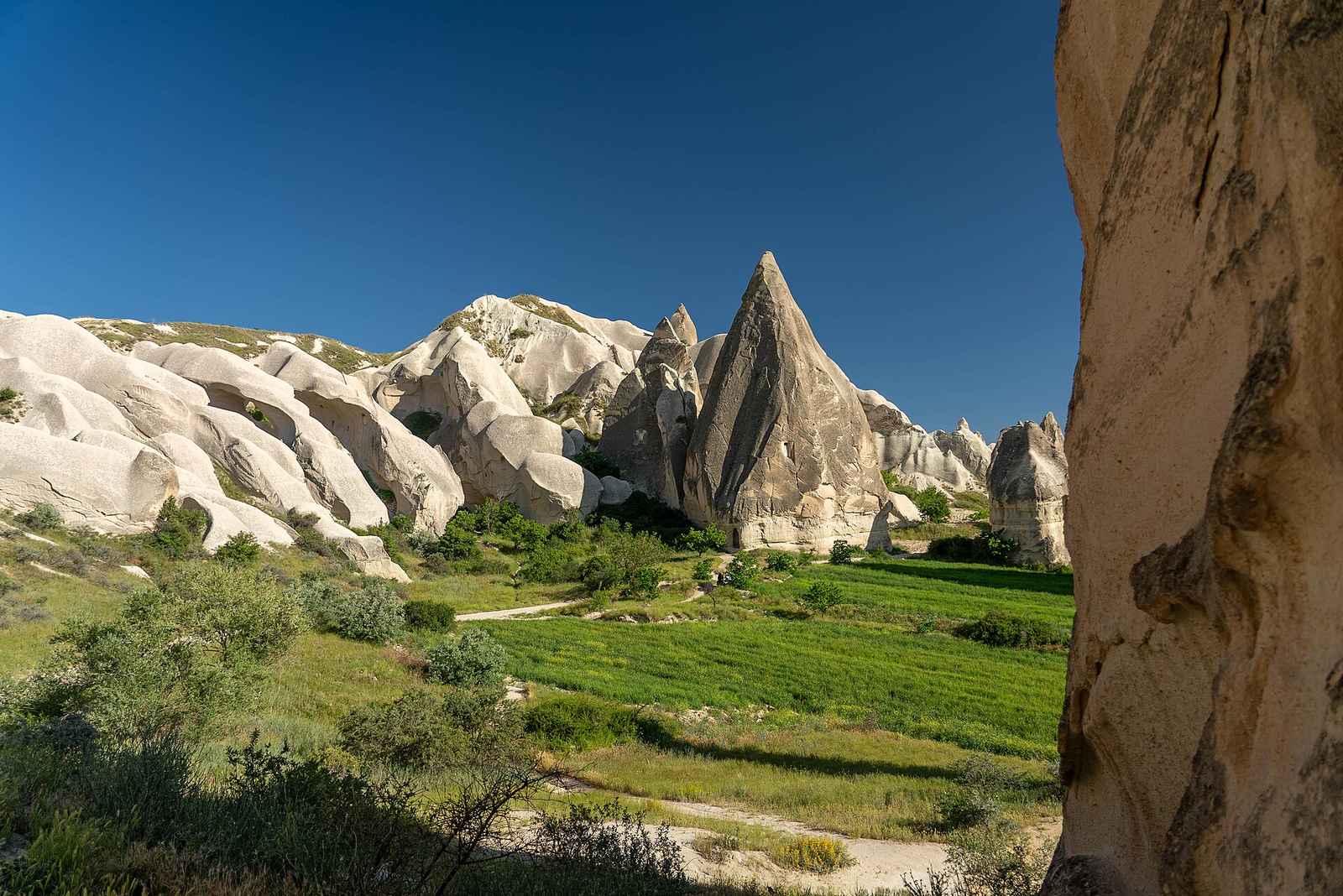
Ballonfahrten und Wetter
Da Heißluftballonfahrten von Windgeschwindigkeit und Sichtweite abhängen, garantiert keine Saison, dass ein Flug an einem bestimmten Morgen tatsächlich stattfindet. Frühling und Herbst bieten statistisch die besten Chancen auf stabiles Morgenwetter, während der Winter die höchste Ausfallquote wegen Wind und Nebel hat. Unabhängig von der Saison ist es ratsam, die Ballonfahrt früh in einen mehrtägigen Aufenthalt zu legen, damit bei einem wetterbedingten Ausfall noch Raum für einen zweiten Versuch bleibt.
Die richtige Saison wählen
- Beste Gesamtbalance: Mai und September, für mildes Wetter, gute Ballonchancen und überschaubaren Andrang.
- Bester Wert und Ruhe: November bis Februar, für niedrigere Hotelpreise und den geringsten Andrang, auf Kosten von mehr Ballonausfällen und kaltem Wetter.
- Beste Zeit zum Wandern: April-Juni und September-Oktober, wenn die Temperaturen zu den Talwanderungen der Region passen, ohne die Mittagshitze des Sommers.
- Möglichst vermeiden: Hochsommer-Wochenenden an den beliebtesten Orten, wenn das Freilichtmuseum Göreme und die wichtigsten Talausgangspunkte am stärksten frequentiert sind.
Die Reise um die Saison herum planen
Egal welche Saison Sie wählen, planen Sie Ihre Flüge und Transfers mit etwas Flexibilität um den Morgen Ihrer Ballonfahrt herum, und schauen Sie in unserer Kappadokien-Übersicht für ein vollständiges Reiseprogramm, das sich gut an alle Saisons anpasst.
Feiertage und lokale Ereignisse
Türkische Nationalfeiertage, insbesondere religiöse Feiertage, die sich nach dem Mondkalender jedes Jahr verschieben, können einen Ansturm inländischer Touristen nach Kappadokien bringen, der Höhlenhotels füllt und Ballonfahrt-Buchungen weit im Voraus an ihre Kapazitätsgrenze bringt. Falls Ihre Reisedaten mit einem großen türkischen Feiertag zusammenfallen, ist es dringend empfehlenswert, Unterkunft und Ballonfahrten deutlich früher als sonst zu buchen. Außerhalb dieser Zeiten erleben Wochentagsbesuche im Freilichtmuseum Göreme und in den unterirdischen Städten in der Regel spürbar weniger Andrang als Wochenenden, besonders während der Frühlings- und Herbst-Hochsaison.
Wie die Saison die Fotografie beeinflusst
Über Komfort und Ballonzuverlässigkeit hinaus verändert die Saison auch, wie Kappadokien sich fotografieren lässt. Der Frühling bringt grüne Flecken auf den Talböden und gelegentliche Wildblumen vor dem blassen Gestein, während die klarere Luft und der niedrigere Sonnenstand des Herbstes zu einigen der gesättigtsten Farben im Rosental und Roten Tal führen. Der gelegentliche Schneeüberzug auf den Feenkaminen im Winter ist eine seltene und sehr begehrte Aufnahme, die nur wenige Male pro Saison auftritt, meist nach dem Durchzug einer Kaltfront. Das härtere Mittagslicht des Sommers ist für Fotografie generell weniger schmeichelhaft, was den Wert der Planung von Outdoor-Aktivitäten rund um den frühen Morgen und späten Nachmittag unterstreicht, unabhängig von der gewählten Saison.
Strategie für die Übergangssaison
Für Reisende, die Kosten, Wetter und Andrang ausbalancieren möchten, bieten die letzten Wochen jeder Übergangssaison – früher Juni und früher Oktober – oft den besten Gesamtwert, da sie viel vom guten Wetter der Frühlings- und Herbst-Hochsaison einfangen und gleichzeitig die Wochen mit der höchsten Nachfrage vermeiden, in denen sowohl Flüge als auch Hotelzimmer am teuersten und kurzfristig am schwersten zu buchen sind.