When to Visit Lake Salda
Lake Salda's appeal changes noticeably with the seasons. Its status as "Turkey's Maldives" depends on strong sunlight to bring out the turquoise water and white hydromagnesite shoreline, and its swimming appeal depends on air and water temperature — both of which vary sharply across the year in this inland part of Burdur province. As a general rule, summer (June through September) is the best window for swimming and the most vivid colors, while spring and autumn suit travelers who want a quieter, scenic visit without getting in the water.
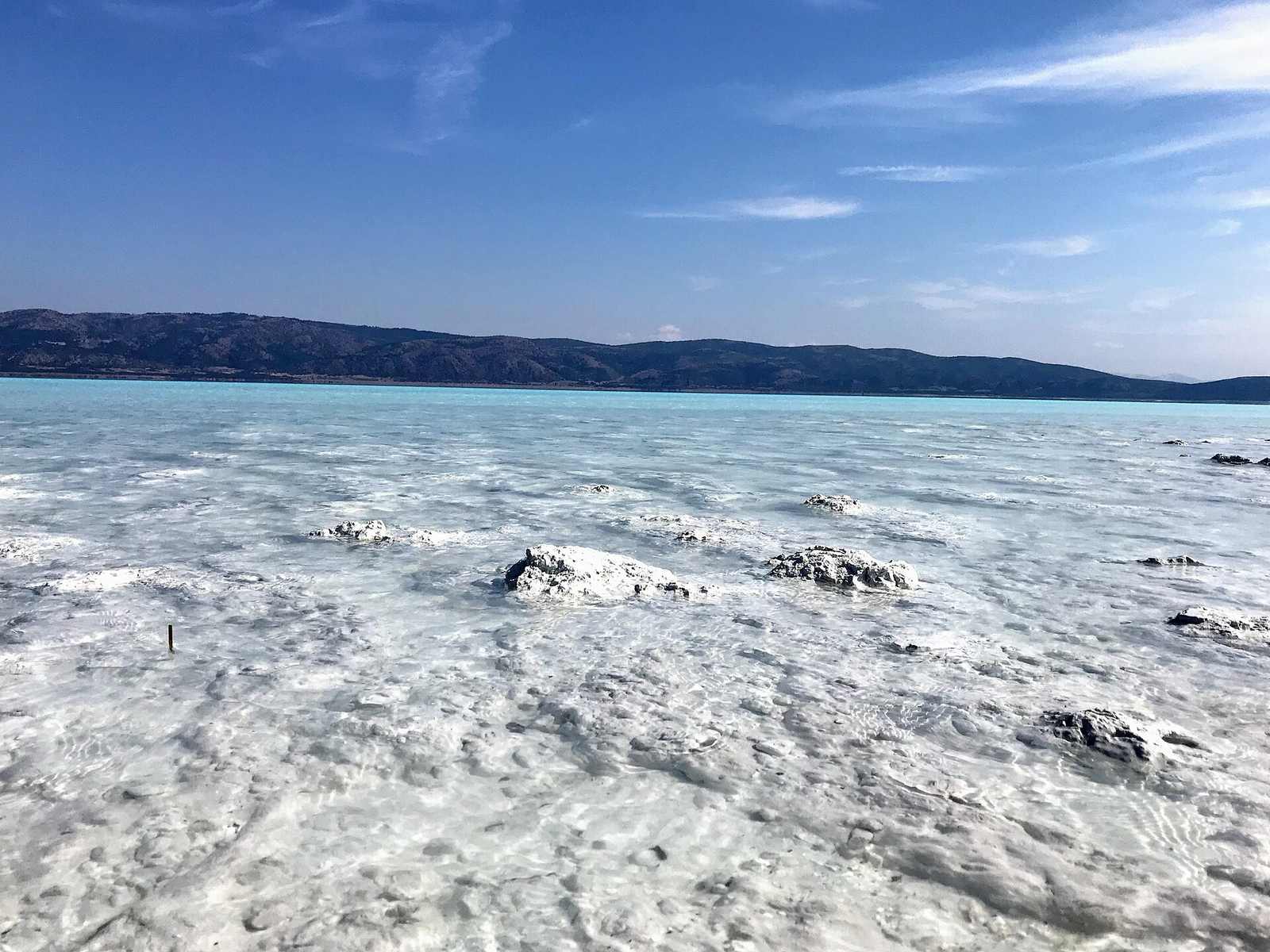
Summer (June–September): Best for Swimming and Color
Summer is Lake Salda's peak season, and for good reason. Air temperatures regularly reach the high 20s and low 30s Celsius, strong sunlight brings out the lake's most dramatic turquoise-to-cobalt color gradient, and this is the only season when the water is genuinely comfortable for swimming in the designated zones. July and August are the warmest and busiest months, drawing both domestic and international visitors, especially on weekends. June and early September offer nearly identical weather with noticeably smaller crowds, making them a strong choice if your schedule allows flexibility.
Because the lake is deep — around 185 meters at its deepest point — the water stays cool even in midsummer, so it's worth easing in gradually and staying within the marked swimming areas, both for comfort and safety.
Spring (April–May): Green Hills and Fewer Crowds
Spring brings mild daytime temperatures, wildflowers, and lush green hills around the lake basin, along with a much quieter atmosphere than summer. The water is still too cold for most people to swim comfortably, but this is an excellent season for photography, short walks along the shore, and simply enjoying the scenery without the summer crowds. Weather can be changeable, so pack layers and check the forecast before setting out.
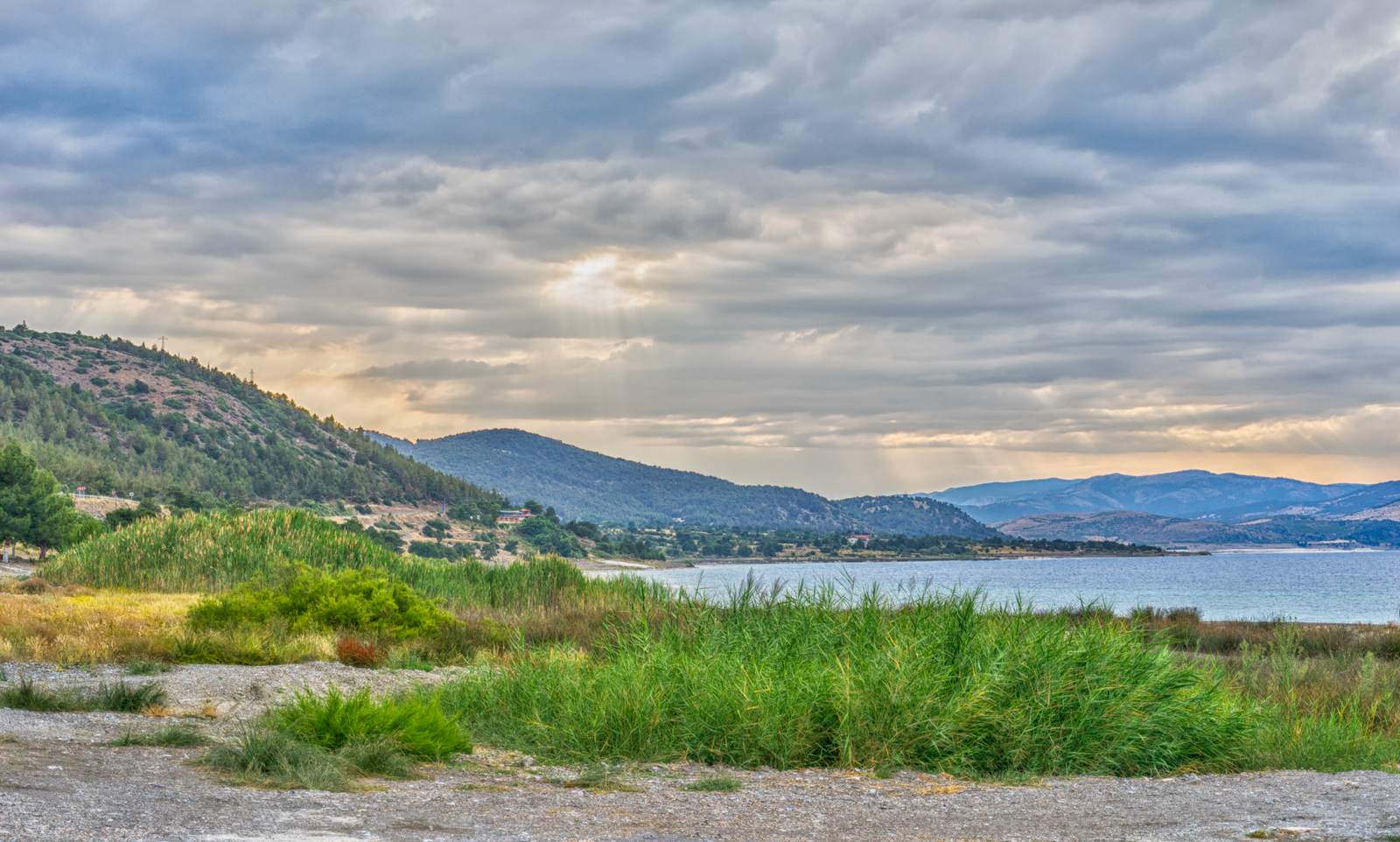
Autumn (October–November): Warm Light, Quiet Shores
Early autumn retains some of summer's warmth, particularly through October, while crowds thin out considerably after the school-holiday season ends. Water temperatures drop steadily through the season, making swimming less appealing by late October, but the softer autumn light is well suited to photography, and the shoreline is markedly calmer than during peak summer weekends. This is a good window for travelers prioritizing atmosphere and photography over swimming.
Winter (December–March): Quiet and Cold
Winter is the least visited season at Lake Salda. Temperatures in the surrounding hills can drop close to freezing, and the region occasionally sees light snow, which creates a striking, unusual contrast against the lake's mineral-white shoreline. Swimming is not realistic in winter, and some visitor facilities scale back or close. Still, winter appeals to a small number of photographers and travelers seeking solitude, since the lake is essentially empty of tourists during this period.
Month-by-Month Snapshot
| Season | Swimming | Crowds | Best for |
|---|---|---|---|
| June–Sept | Best | Highest (Jul–Aug) | Swimming, vivid color, full beach experience |
| Apr–May | Too cold | Low | Photography, greenery, quiet walks |
| Oct–Nov | Fading | Low | Photography, mild weather, fewer crowds |
| Dec–Mar | Not recommended | Very low | Solitude, occasional snow scenery |
Planning Around the Seasons
If swimming and the classic "Maldives" photos are your priority, aim for June through September, ideally on a weekday to avoid peak weekend crowds. If you prefer a quieter, more contemplative visit and don't mind skipping the water, spring or early autumn offer excellent scenery with a fraction of the visitors. Whichever season you choose, pair your visit with our guide to things to do at Lake Salda for activity ideas suited to the conditions, and check how to get there for seasonal road and transport notes.
Travelers planning a summer trip should also read about the lake's protected white beaches before arriving, since swimming is restricted to designated zones year-round regardless of season. If you're considering an overnight stay to catch both sunrise and sunset light, see our camping guide for designated campsite options around the lake.
Weather Patterns to Expect
Burdur province has a transitional climate between the Aegean and Central Anatolian regions, meaning summers are hot and dry while winters are noticeably colder than on the nearby coast. Daytime summer temperatures often reach 30–34°C, with low humidity that makes the heat more manageable than in coastal cities. Spring and autumn bring milder days in the high teens to mid-20s Celsius, with a real chance of rain showers, especially in April and November. Winter can dip below freezing overnight, and the surrounding hills occasionally receive snow, which rarely affects the lake itself but can affect road conditions on the approach.
Crowd Patterns Through the Year
Crowd levels at Lake Salda track closely with school holidays and the domestic summer travel season. Expect the heaviest crowds on July and August weekends, somewhat lighter numbers on summer weekdays, and a noticeable drop-off once September arrives. Shoulder-season months (April–May and October) see only a trickle of visitors, mostly photographers and travelers combining the lake with a broader regional trip, while winter is close to empty aside from occasional day-trippers on clear days. If avoiding crowds is a priority, a weekday visit in June or September offers close to the best of both worlds — warm enough for swimming, without peak-season congestion.