A visual guide to Yedigöller
Photographs are often what first draw travelers to Yedigöller, and for good reason: few places in Turkey combine still water, dense forest, and dramatic seasonal colour quite the way this cluster of seven lakes does. This gallery page walks through the park's most photogenic spots and moments, alongside practical notes on timing and technique, whether you're planning your own shoot or simply browsing to decide if Yedigöller belongs on your itinerary.
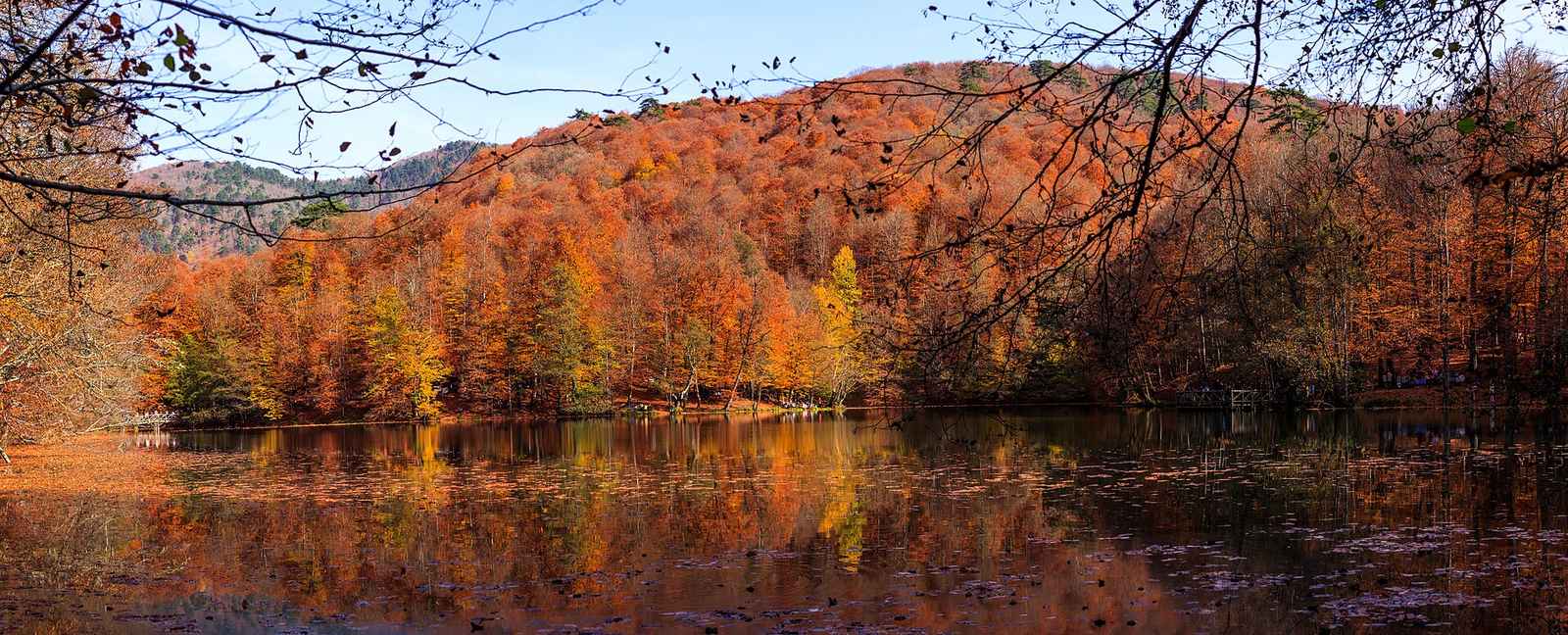
Büyükgöl, the largest of the seven lakes, is the classic Yedigöller shot. On calm mornings, its still surface mirrors the surrounding canopy almost perfectly, and in autumn that reflection turns to a wash of red, orange, and gold. Most first-time visitors head here first, and it remains the most reliable single frame in the park.
Autumn colour close-ups
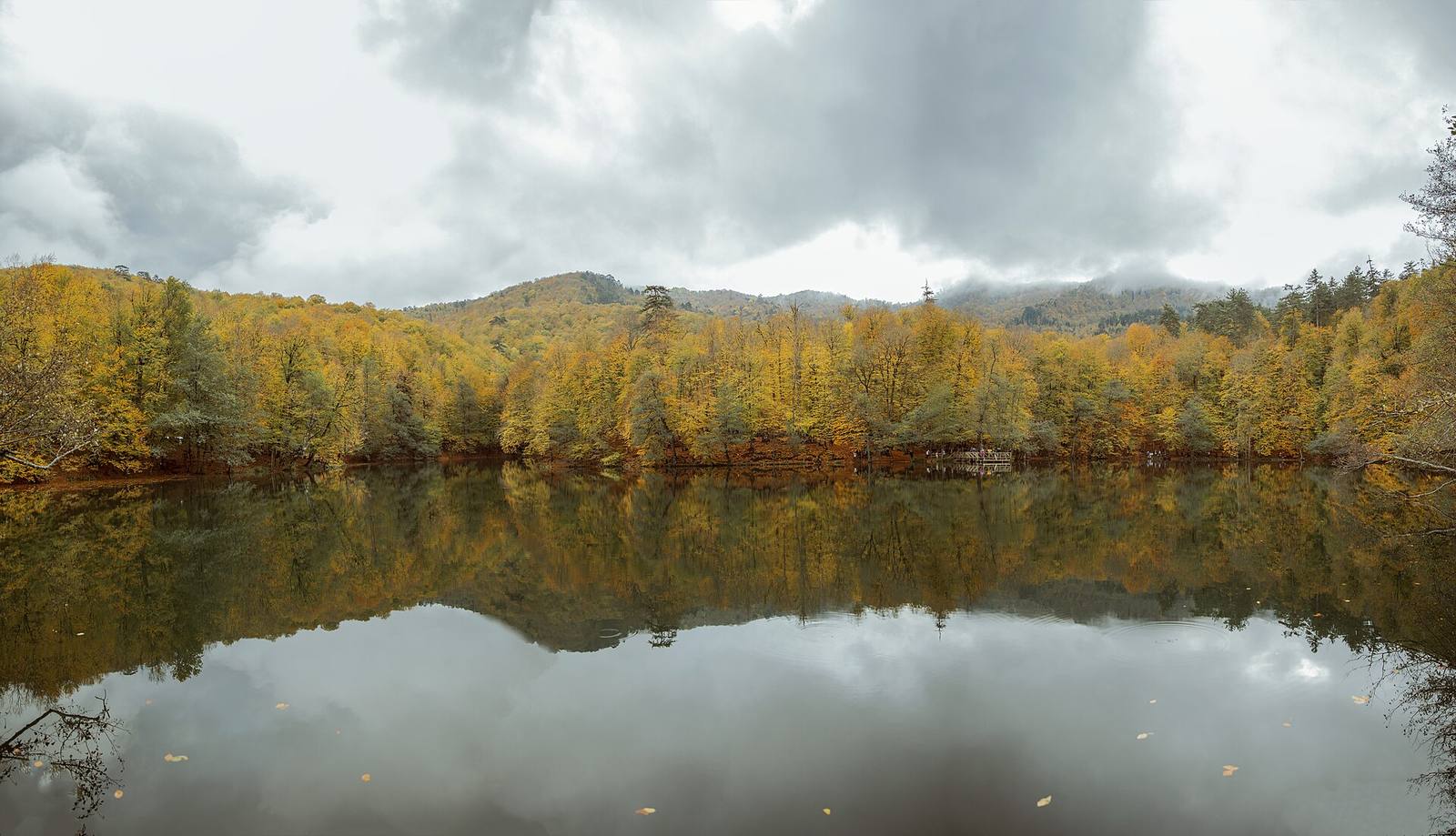
Beyond the wide lake-reflection shot, the forest floor and canopy offer countless close-up compositions during the autumn colour season — fallen leaves on wooden boardwalks, moss-covered trunks against a backdrop of orange and red, or backlit maple leaves catching low afternoon sun. These detail shots pair well with the wider lake views in a complete visual story of a Yedigöller visit. See our autumn colors guide for exact timing on when this colour peaks each year.
Forest trails and boardwalks
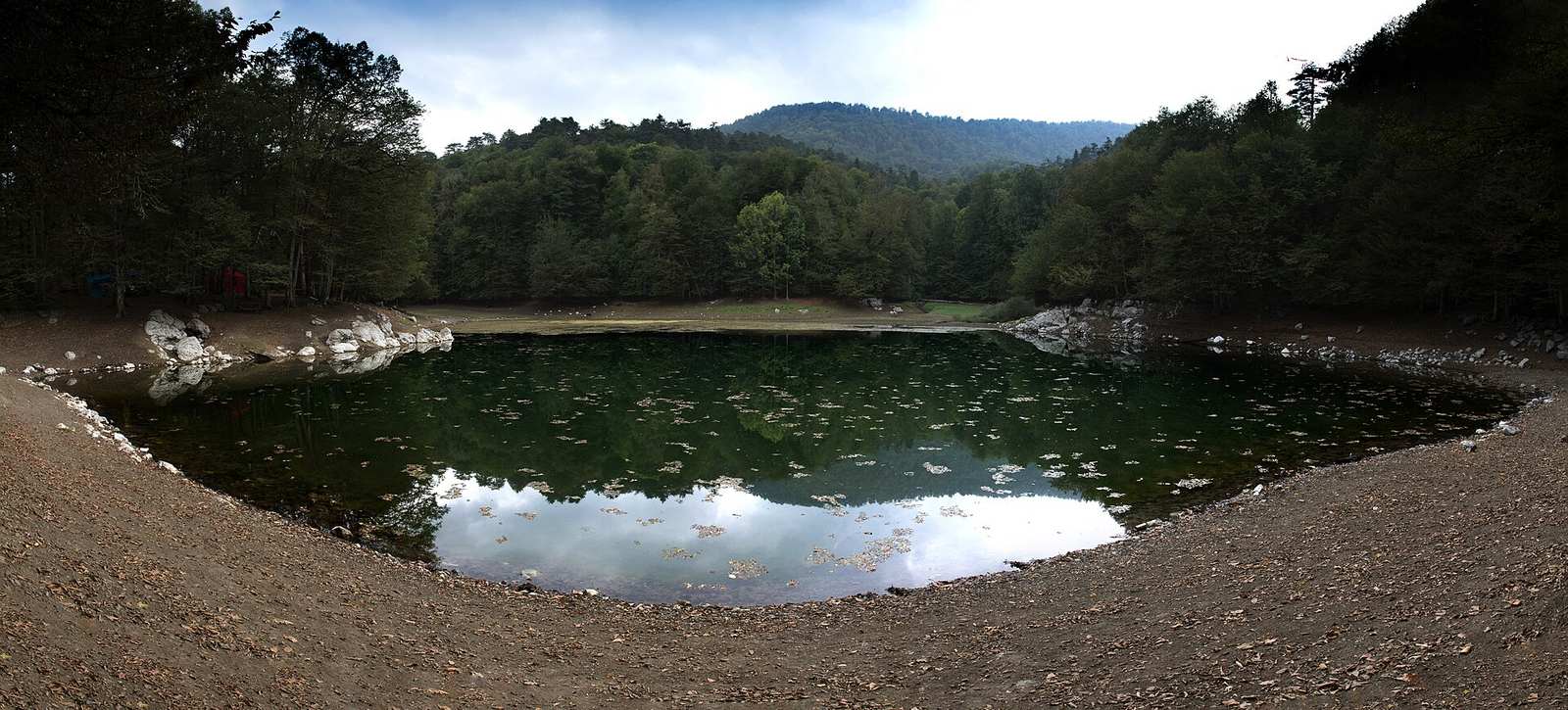
The marked trails and boardwalks connecting the seven lakes are photogenic in their own right, especially where they curve through dense stands of beech and hornbeam. Photographing the trail itself — rather than only the destination lakes — captures the layered, enclosed feel of walking through Yedigöller's forest, and works particularly well in the soft, diffused light of an overcast day.
The smaller, quieter lakes
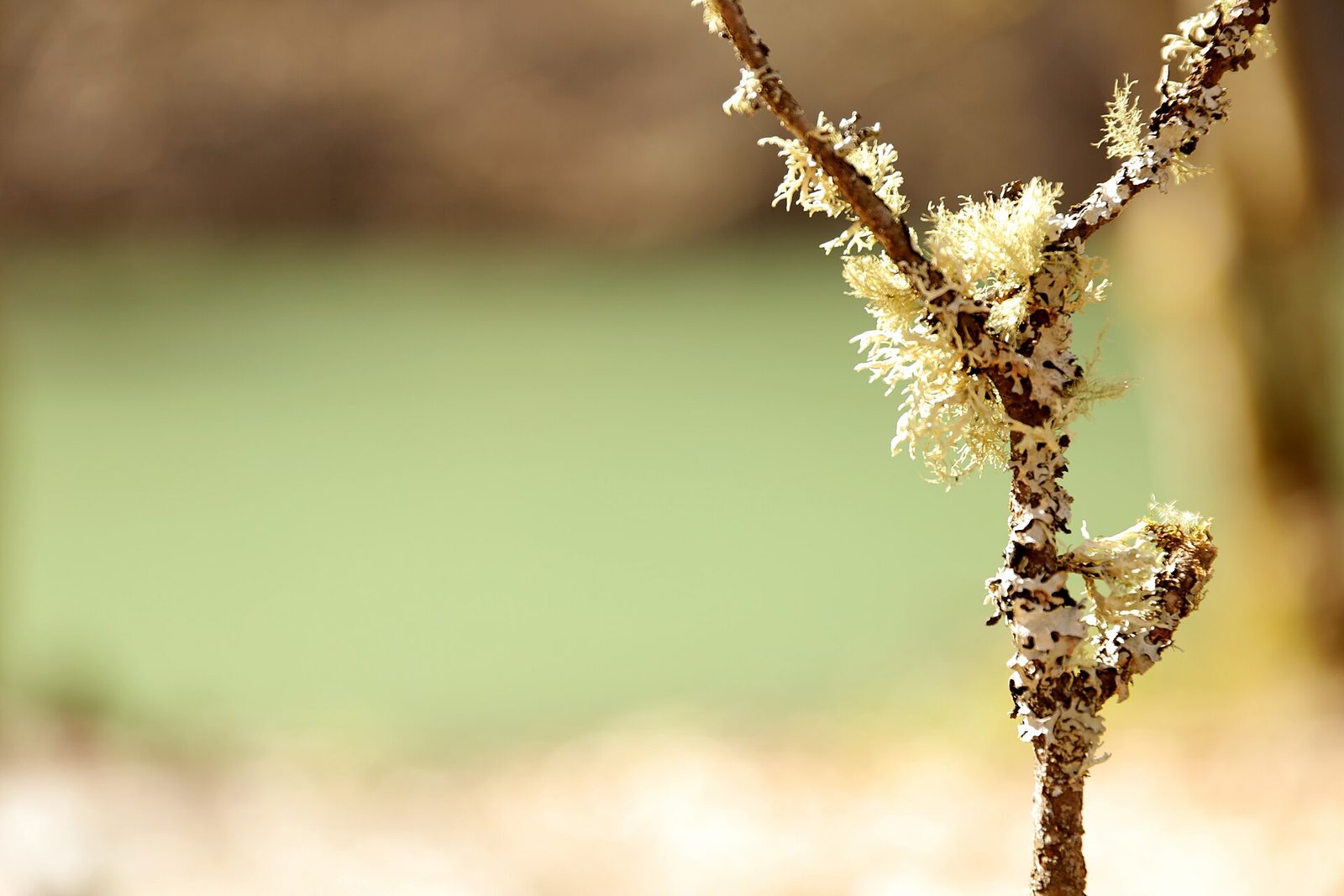
While Büyükgöl gets most of the attention, lakes like Nazlıgöl, İncegöl, and Sazlıgöl offer narrower, more intimate compositions framed tightly by tree trunks and reed margins. These shots tend to be less crowded and reward visitors willing to walk further along the trail network — see our seven lakes guide for a lake-by-lake breakdown of what each one offers photographically.
Wildlife and forest life
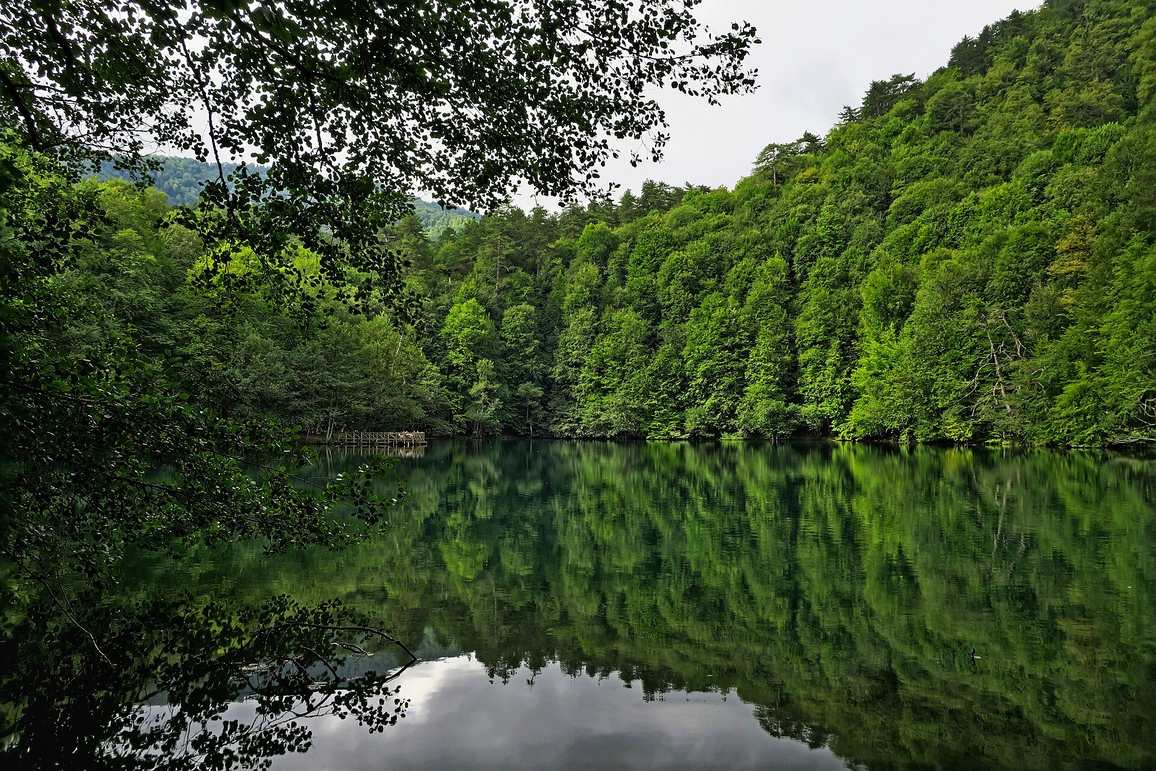
Wildlife photography at Yedigöller requires patience and an early start, but red deer, forest birds, and occasional wild boar sightings are genuine possibilities for visitors walking quietly along the quieter stretches of trail. A telephoto lens and a respectful distance are essential — see our wildlife guide for where and when sightings are most likely, and for etiquette around approaching any animal.
Camping and overnight scenes
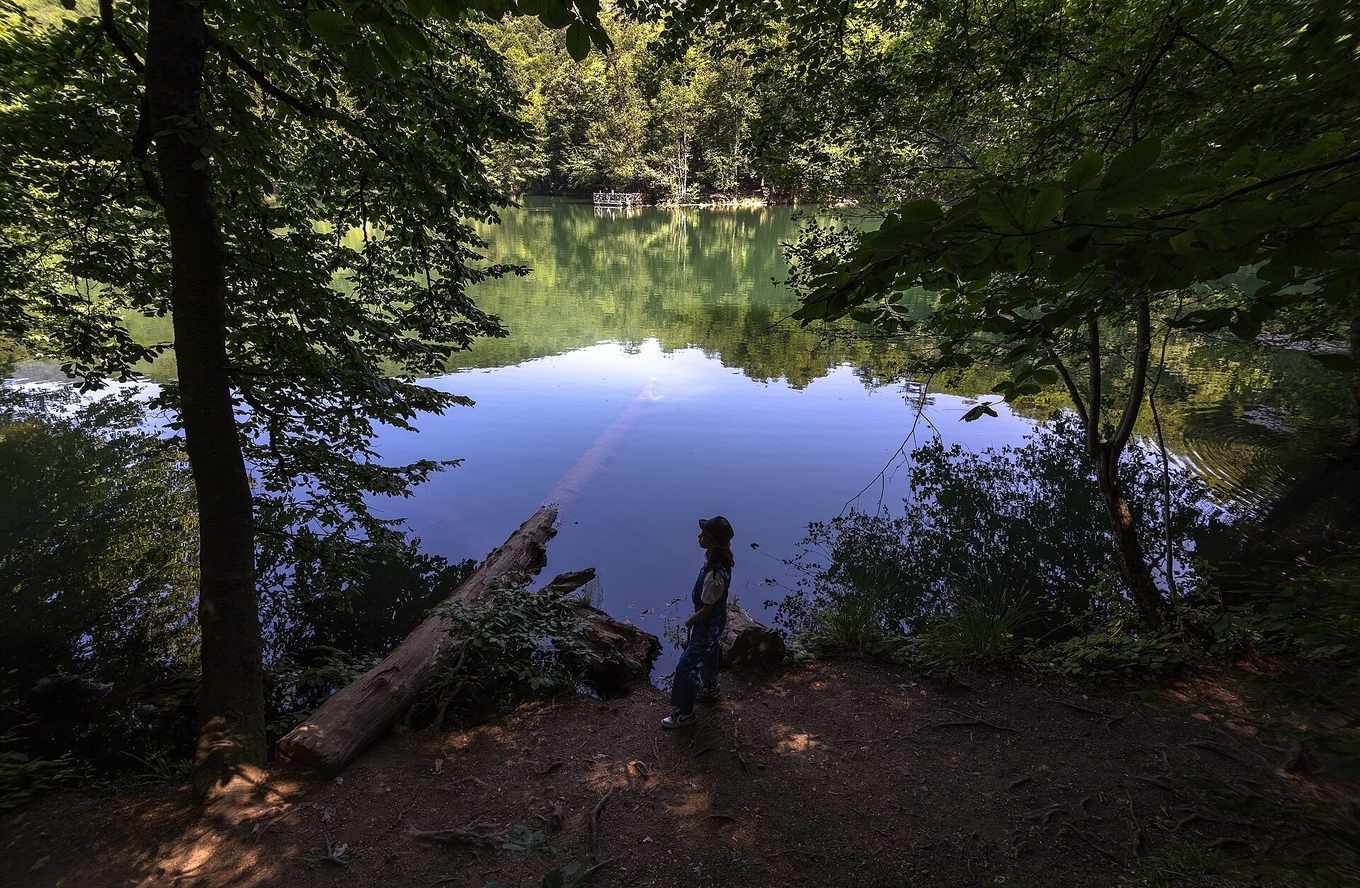
For visitors staying overnight, the camping areas near Büyükgöl offer their own photographic rewards — morning mist rising off the lake, tents lit from within at dusk, or the first light of sunrise filtering through the canopy onto a still-quiet campground. Our camping guide covers what to expect from an overnight stay, including the facilities available near these shots.
Tips for planning your own shoot
For the best results, plan around early morning light and calm water, particularly at Büyükgöl and Deringöl, and consider a weekday visit during the autumn peak to avoid both crowds in your frame and traffic delays getting there. A wide-angle lens suits the lake-reflection shots, a polarizing filter helps cut glare and boost colour saturation, and a telephoto lens is useful for both wildlife and intimate forest details along the quieter trails. Whatever the season, our best time to visit guide can help match your photography goals — colour, wildflowers, wildlife, or solitude — to the right time of year for your trip.
Equipment checklist
A typical Yedigöller photography day benefits from a modest but deliberate kit. A wide-angle or standard zoom lens covers the majority of lake and forest compositions, while a lightweight tripod helps with longer exposures on overcast days or in the low light of early morning, when shutter speeds can drop enough to introduce camera shake. A polarizing filter is arguably the single most useful accessory here, cutting surface glare on the lakes and deepening both sky and foliage colour in a way that's hard to replicate afterward in editing. For anyone hoping for a wildlife shot, a telephoto lens in the 200–400mm range gives a realistic chance at a usable frame from a respectful distance. Spare batteries are worth carrying too, since cooler forest temperatures in autumn and winter drain battery life faster than expected.
Framing ideas beyond the obvious shot
While the wide reflective view of Büyükgöl is the shot most visitors arrive planning to capture, some of the most memorable Yedigöller photographs come from less obvious angles: a single backlit leaf held up against the canopy, the textured bark of an old beech trunk, a boardwalk vanishing into mist, or the quiet symmetry of a narrow lake like İncegöl framed tightly by tree trunks on both sides. Building a mix of wide establishing shots and closer, more intimate details generally produces a stronger overall set of images than repeating the same lake-reflection composition at every stop.
Respecting the park while shooting
Good photography practice at Yedigöller also means good park etiquette: stay on marked trails and boardwalks rather than stepping off them for a slightly better angle, since off-trail movement damages the forest floor and disturbs the wildlife covered in our wildlife guide. Avoid using flash near animals, keep tripod setups clear of narrow trail sections so other visitors can pass, and check current drone regulations before flying one, since rules around unmanned aircraft in Turkish national parks can change and often require prior permission.